
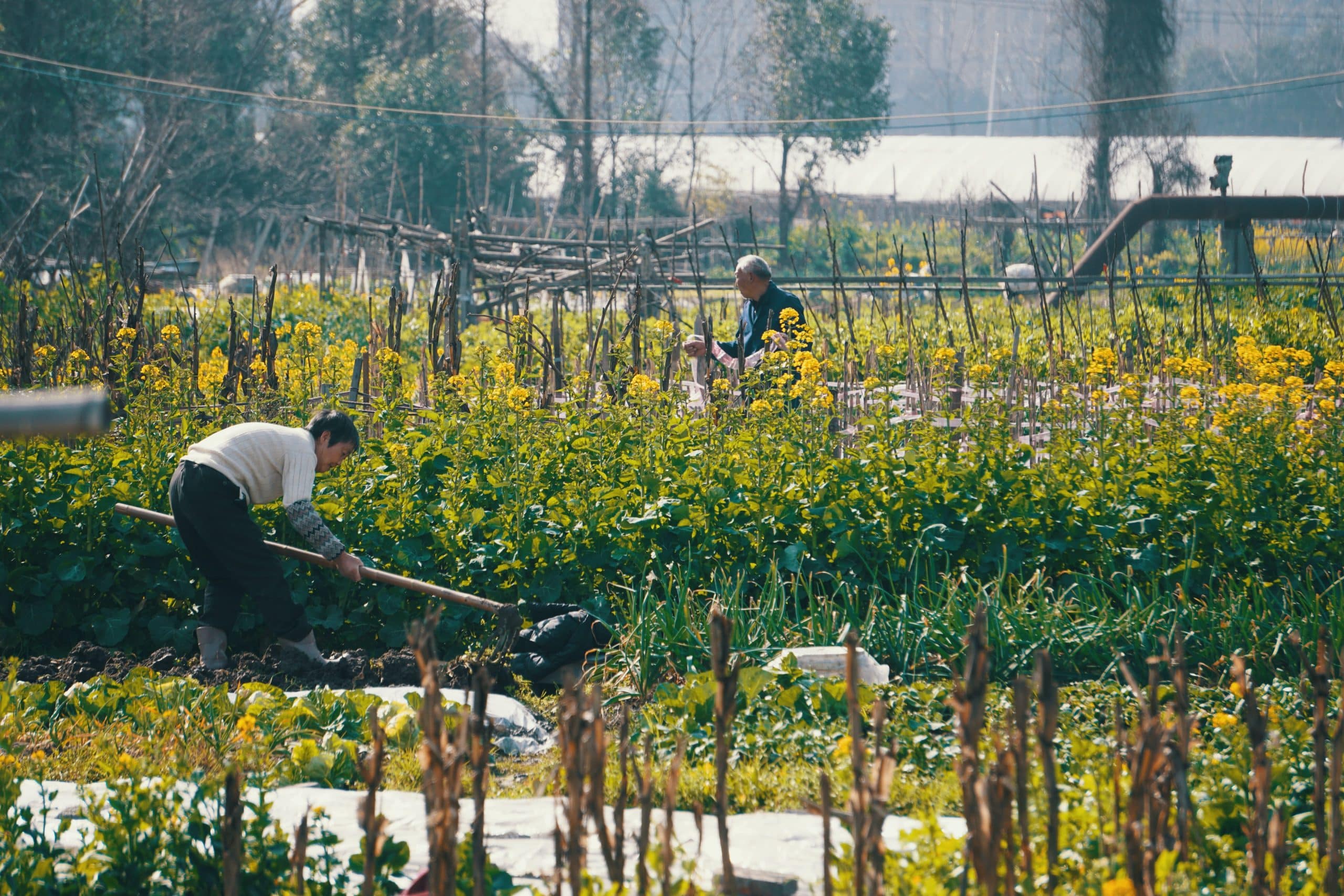
There’s something deeply satisfying about growing your own food without synthetic chemicals — knowing exactly what went into your soil, what touched your plants, and what ends up on your family’s table. Organic gardening isn’t complicated, expensive, or reserved for experts. With the right knowledge and a little patience, anyone can grow a thriving, chemical-free garden that produces delicious food season after season. This complete guide will show you exactly how.
What Is Organic Gardening?
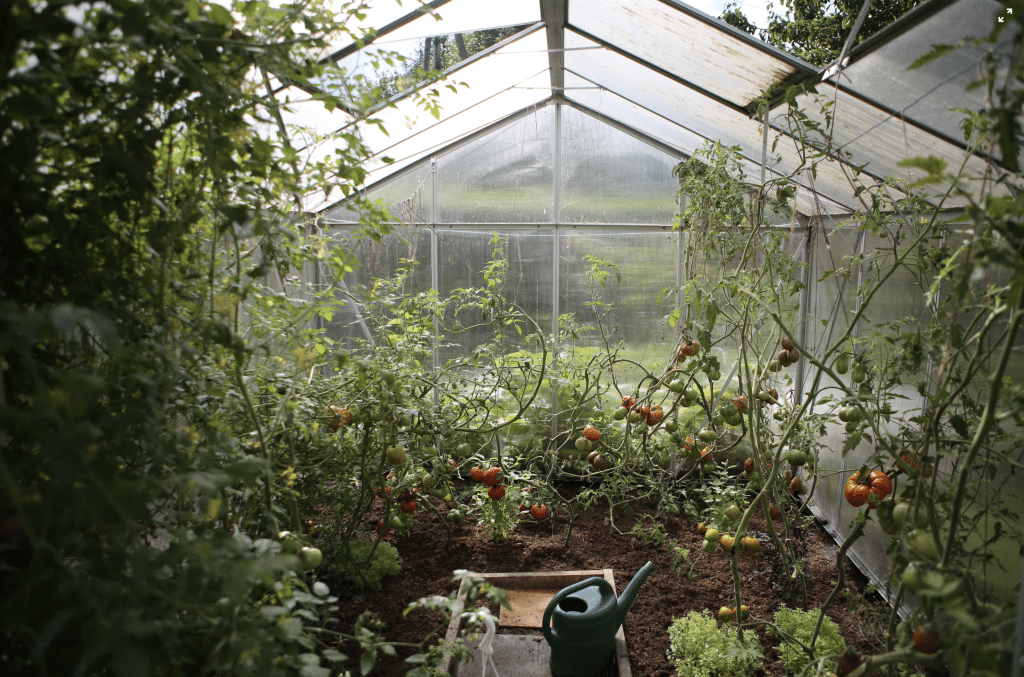
Organic gardening is the practice of growing plants — vegetables, fruits, herbs, and flowers — without the use of synthetic fertilizers, pesticides, herbicides, or other artificial chemical inputs. Instead of relying on manufactured products to feed plants and control pests, organic gardeners work with natural processes: building fertile soil through composting and mulching, controlling pests through beneficial insects and plant diversity, and managing weeds through physical barriers and cultivation.
But organic gardening is more than just a list of things you don’t use. At its heart, it’s a fundamentally different way of thinking about your garden. Rather than treating plants as isolated units to be fed and protected from above, organic gardening sees the garden as a living system — a complex web of relationships between plants, soil organisms, insects, birds, water, and weather — and aims to support and strengthen that system rather than override it.
The soil is the starting point for everything. Healthy, living soil — rich in organic matter and teeming with billions of bacteria, fungi, worms, and other organisms — feeds plants more effectively than any synthetic fertilizer. It suppresses disease, retains water, and provides a stable, nurturing environment for root growth. When you build healthy soil, everything else in your organic garden becomes easier.
Organic gardening also recognizes that some level of pest pressure and imperfection is normal and acceptable. A garden with a diverse community of insects will always have some pests — but it will also have the predators that keep those pests in check. The goal isn’t a perfectly sterile, pest-free environment; it’s a balanced, resilient system where no single pest or disease can cause catastrophic damage.
The good news? Organic gardening is accessible to everyone. Whether you have a large backyard, a small raised bed, or a collection of containers on a balcony, the principles of organic growing apply equally well. The Complete Guide to Raised Bed Gardening
Why Go Organic? The Benefits
The reasons people choose organic gardening are as varied as the gardeners themselves. Here are the most compelling benefits.
Healthier Food for Your Family
The most immediate reason most people go organic is the food itself. Organically grown produce contains no synthetic pesticide residues — a significant concern given that conventionally grown fruits and vegetables regularly test positive for multiple pesticide residues, some of which have been linked to health concerns, particularly in children.
Beyond what’s absent, organic produce grown in healthy, fertile soil is often richer in certain nutrients and phytocompounds than conventionally grown food. Soil health directly influences nutritional density — another reason building great soil is so fundamental to organic growing.
Better for Soil Health
Synthetic fertilizers feed plants but do nothing for soil health — and over time they actually degrade it by disrupting the microbial communities that make soil fertile and alive. Organic methods build soil health continuously, creating growing conditions that improve every year rather than deteriorating.
Better for the Environment
Synthetic pesticides and fertilizers have well-documented environmental impacts: contamination of waterways, harm to beneficial insects including pollinators, disruption of soil ecosystems, and contribution to greenhouse gas emissions. Organic gardening eliminates these impacts at the local level and, when practiced widely, contributes to broader environmental health.
Better for Beneficial Insects and Wildlife
A pesticide-free garden is a haven for beneficial insects — bees, butterflies, ladybugs, lacewings, ground beetles, and countless others that pollinate plants, prey on pests, and contribute to a healthy garden ecosystem. Birds, frogs, and other wildlife benefit too. An organic garden buzzing with life is one of the most rewarding things a backyard can offer.
More Satisfying and Enjoyable
There’s a deep satisfaction in growing food the natural way — working with soil, compost, and living systems rather than chemicals and synthetic inputs. Many organic gardeners report that the process of gardening becomes more engaging and enjoyable when they shift to organic methods, because understanding and working with natural systems is inherently interesting and endlessly fascinating.
Cost Effective in the Long Run
While the initial transition to organic gardening may require some investment in compost, mulch, and organic amendments, over time organic gardens become less expensive to maintain. As soil health builds, the need for purchased inputs decreases. Compost can be made for free from kitchen and garden waste. Saved seeds reduce seed costs. A well-established organic garden eventually becomes largely self-sustaining.
Pro Tip: Don’t try to transition your entire garden to organic practices overnight. Start with one bed, master the basics of soil building and organic pest management, then expand gradually. A small, well-managed organic bed will outperform a large, poorly managed one every time.
Getting Started: Planning Your Organic Garden
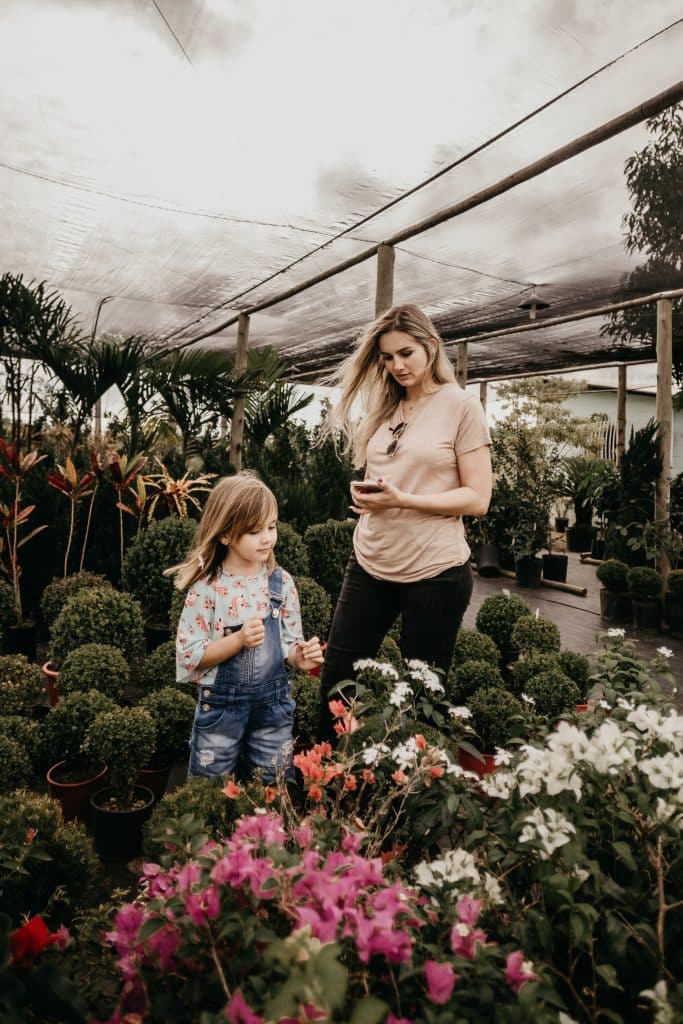
Good planning makes organic gardening significantly easier. Before you dig your first bed or buy your first seed, take time to think through these key considerations.
Choose the Right Location
Most vegetables need at least six hours of direct sunlight daily — eight is better. Survey your yard through the day to identify your sunniest spots. Also consider proximity to water (you’ll be watering regularly, especially in the establishment phase) and convenience — a garden you walk past every day gets tended far more consistently than one tucked away in a corner.
Avoid locations under large trees, which compete for water and nutrients and drop debris into beds. Also be cautious about areas that stay wet after rain — poor drainage leads to root disease and other problems. Permaculture for Beginners: The Complete Guide
Start Small
The number one mistake new organic gardeners make is starting too big. A 4×8 foot raised bed or a 10×10 foot in-ground plot is an ideal starting point. It’s large enough to grow a meaningful variety of vegetables but small enough to manage without feeling overwhelmed. You can always expand once you’ve built confidence and skills.
Decide What to Grow
Grow what your family actually eats and enjoys. There’s no point growing a bed full of kale if nobody in your household likes kale. Start with reliable, rewarding crops that are well-suited to organic growing and your climate:
- Easy organic starters: tomatoes, beans, zucchini, lettuce, herbs, radishes, peas
- Medium difficulty: peppers, cucumbers, carrots, beets, chard
- More challenging: cauliflower, celery, melons, corn
Herbs deserve special mention — basil, parsley, chives, cilantro, and thyme are among the easiest and most rewarding plants to grow organically, and fresh herbs elevate cooking dramatically.
Test Your Soil
Before planting, it’s worth understanding your existing soil. A basic soil test — available inexpensively through your local cooperative extension service or garden center — tells you your soil’s pH and basic nutrient levels. Most vegetables prefer slightly acidic soil in the range of pH 6.0-6.8. The test results will guide your amendment choices and help you build fertility more effectively.
Draw a Simple Plan
Sketch your garden on paper before you plant. Note where the sun comes from, which direction is north, and where tall plants might shade shorter ones. Plan your tallest crops (tomatoes, corn, sunflowers) on the north side of the bed so they don’t cast shade on smaller plants. This simple step prevents a lot of common planting mistakes.
Building Organic Soil: The Foundation of Everything
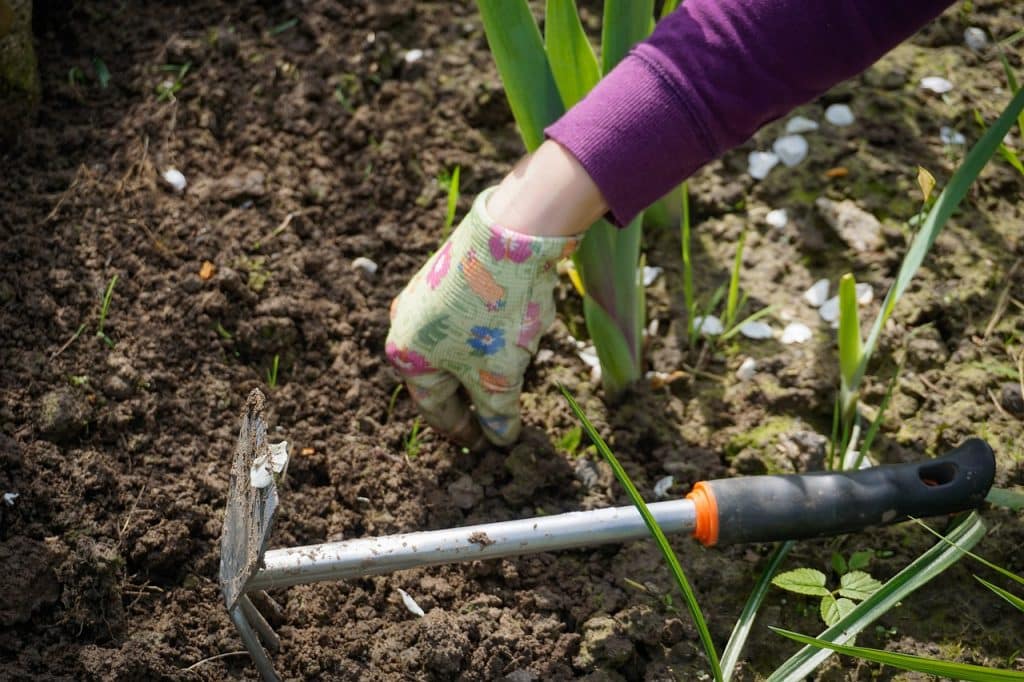
If there’s one thing to understand about organic gardening, it’s this: your job is to feed the soil, and the soil will feed your plants. Everything else flows from this fundamental principle.
Understanding Soil Biology
Healthy soil is not an inert growing medium — it’s a living ecosystem of extraordinary complexity. A single teaspoon of healthy garden soil contains more microorganisms than there are people on Earth. These bacteria, fungi, protozoa, nematodes, and countless other organisms form a web of relationships that breaks down organic matter into plant-available nutrients, suppresses disease, improves soil structure, and supports plant health in ways that science is still working to fully understand.
Synthetic fertilizers largely bypass this biological system, delivering nutrients directly to plants but doing nothing — and often actively harming — the soil life that makes truly fertile soil possible. Organic gardening works with and through this biological system, feeding soil organisms with organic matter and allowing them to do the work of nourishing plants.
The Role of Organic Matter
Organic matter — compost, mulch, cover crops, and plant residues — is the foundation of soil fertility. As organic matter breaks down, it releases nutrients in forms plants can absorb, improves soil structure (making clay soils drain better and sandy soils retain moisture better), supports soil biology, and builds the dark, crumbly humus that is the hallmark of excellent garden soil.
The goal in an organic garden is to continuously add organic matter to the soil — through compost, mulching, cover cropping, and leaving plant roots in the ground after harvest. Over time, soil organic matter levels rise and soil quality improves dramatically.
No-Dig Gardening
Traditional gardening wisdom held that soil should be dug and turned regularly. Modern understanding of soil biology suggests the opposite — digging disrupts fungal networks, destroys soil structure, brings weed seeds to the surface, and releases stored carbon. No-dig gardening, which builds fertility from the top down through mulching and composting, produces better results with less work and is now widely embraced by organic gardeners.
In practice, no-dig gardening means: never walk on your beds (use paths between beds instead), add compost and mulch to the surface rather than digging it in, and disturb the soil as little as possible when planting and harvesting.
Improving Different Soil Types
Clay soil — heavy, slow-draining, and prone to compaction — is improved by adding organic matter (compost, aged manure) which improves drainage and aeration. Avoid working clay soil when wet, which destroys its structure. Over several seasons of organic amendment, clay soil can be transformed into excellent growing medium.
Sandy soil — fast-draining, low in nutrients, and prone to drying out quickly — benefits enormously from organic matter additions, which dramatically improve water and nutrient retention. Sandy soil is actually easier to improve quickly than clay.
Silty soil tends to be fertile but compacts easily. Handle it carefully, minimize foot traffic, and add compost regularly.
Composting: Your Garden’s Best Friend
Compost is the cornerstone of organic gardening — a dark, crumbly, sweet-smelling material made from decomposed organic matter that is arguably the best all-purpose garden amendment available. Making your own compost is free, reduces household waste, and produces a product superior to anything you can buy.
What to Compost
Yes — add these:
- Fruit and vegetable scraps
- Coffee grounds and paper filters
- Tea bags (remove staples)
- Eggshells
- Garden trimmings and spent plants
- Dry leaves
- Shredded cardboard and paper
- Grass clippings (in moderation)
- Wood ash (in small quantities)
No — avoid these:
- Meat, fish, and dairy (attract pests)
- Diseased plants (can spread disease)
- Pet waste (potential pathogens)
- Weeds that have gone to seed (seeds survive composting)
- Anything treated with pesticides
The Hot Compost Method
Hot composting produces finished compost in as little as 4-8 weeks. The key is maintaining the right balance of carbon-rich materials (“browns” — dry leaves, cardboard, straw) and nitrogen-rich materials (“greens” — fresh plant material, kitchen scraps, grass clippings) in roughly a 3:1 ratio by volume.
Build the pile in layers, keep it as moist as a wrung-out sponge, and turn it every few days to introduce oxygen. A pile that’s working properly will heat up to 140-160°F in the center — hot enough to kill weed seeds and pathogens.
Cold Composting
Cold composting is more relaxed — you simply add materials as they become available and let nature take its course. It takes longer (6-18 months) but requires almost no effort. Most backyard gardeners use a combination: a hot pile for fresh kitchen and garden waste, and a cold pile for slower materials like woody prunings.
Worm Composting
A worm bin — a container of composting worms (typically red wigglers) that process kitchen scraps into extraordinarily rich worm castings — is an excellent complement to a regular compost pile, especially for apartment dwellers or those with small spaces. Worm castings are among the most potent organic fertilizers available and can be made continuously year-round, even indoors.
Pro Tip: Liquid that drains from your worm bin — “worm tea” — is a powerful liquid fertilizer. Dilute it 10:1 with water and apply directly to the soil around your plants for a quick, gentle nutrient boost.
Organic Fertilizers: Feeding Your Plants Naturally
Even with excellent compost, your plants may occasionally need additional nutrition. Organic fertilizers derived from natural sources provide nutrients without the drawbacks of synthetic alternatives.
Understanding NPK
Plant nutrition centers on three primary nutrients: nitrogen (N), phosphorus (P), and potassium (K). Each plays a specific role:
- Nitrogen drives leafy, green growth — essential for vegetables like lettuce, spinach, and brassicas
- Phosphorus supports root development, flowering, and fruiting — important for tomatoes, peppers, and root vegetables
- Potassium supports overall plant health, disease resistance, and fruit quality
Key Organic Fertilizers
Compost — the all-purpose organic fertilizer that improves soil while feeding plants. Apply 2-3 inches as a top dressing or work into planting holes.
Worm castings — extraordinarily rich in available nutrients and beneficial microorganisms. Use as a soil amendment or brew into liquid fertilizer.
Fish emulsion — a fast-acting liquid fertilizer high in nitrogen. Excellent for giving seedlings and heavy-feeding vegetables a boost. The smell is strong but dissipates quickly.
Kelp meal and liquid seaweed — rich in trace minerals, growth hormones, and beneficial compounds that improve plant health and stress resistance. Use as a soil amendment or foliar spray.
Blood meal — high nitrogen organic fertilizer derived from dried animal blood. Use sparingly on heavy feeders like corn and leafy greens.
Bone meal — high phosphorus fertilizer that supports root development and flowering. Excellent mixed into planting holes for tomatoes, peppers, and root vegetables.
Greensand — mined mineral that provides slow-release potassium and trace minerals. Excellent long-term soil amendment.
Comfrey tea — made by steeping comfrey leaves in water, this homemade liquid fertilizer is rich in potassium and other nutrients. Excellent for feeding tomatoes and other heavy feeders during the growing season.
Watering Your Organic Garden
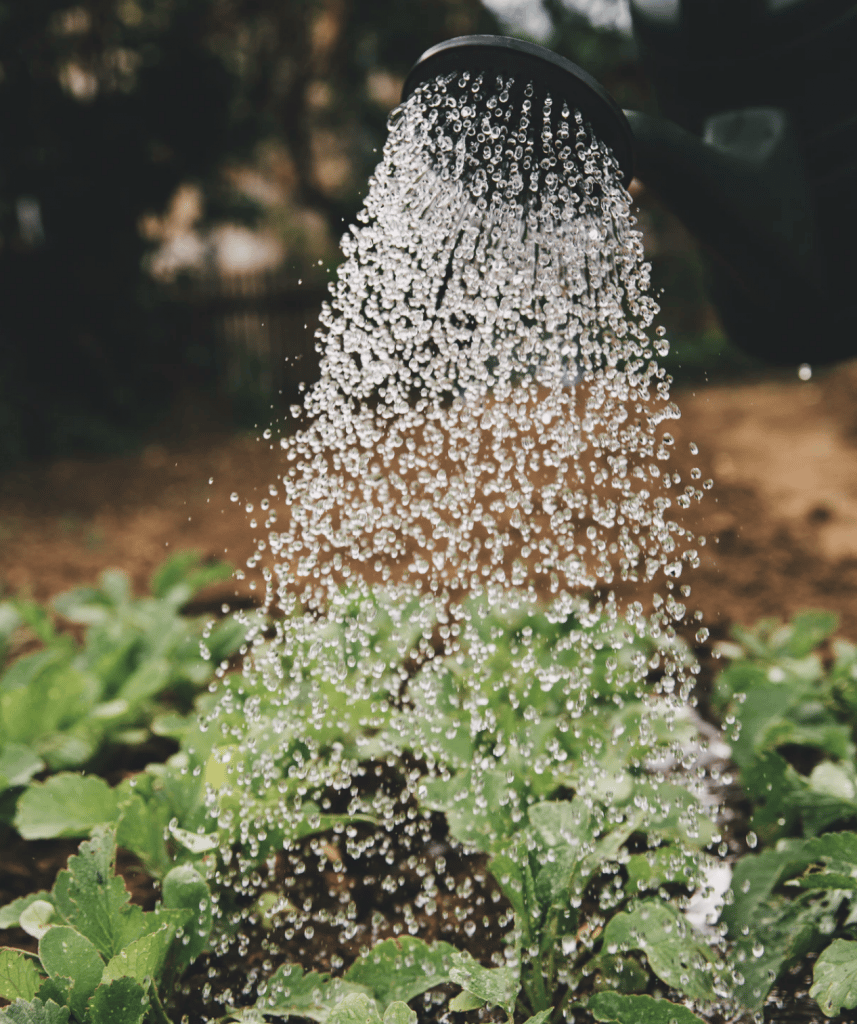
Water management is critical in any garden, but organic gardening offers powerful tools for reducing water needs while keeping plants healthy.
How Much Water Do Organic Gardens Need?
Most vegetable gardens need approximately 1 inch of water per week — more during hot weather, less during cool or rainy periods. The best way to judge when to water is to check soil moisture by pushing your finger 1-2 inches into the soil. If it’s dry at that depth, water thoroughly. If it still feels moist, wait.
The Best Watering Practices
Water deeply and infrequently rather than shallowly and frequently. Deep watering encourages roots to grow downward in search of moisture, creating more drought-resistant plants. Shallow, frequent watering keeps roots near the surface where they’re vulnerable to heat and drought.
Water at the base of plants, not from overhead. Wet foliage invites fungal diseases like powdery mildew and blight. Drip irrigation or soaker hoses deliver water directly to the root zone with minimal evaporation and zero foliage wetting.
Water in the morning when possible. Morning watering gives foliage time to dry during the day if it does get wet, reducing disease risk. Evening watering leaves foliage wet overnight, which encourages disease.
Mulching to Conserve Water
A 3-4 inch layer of organic mulch — straw, wood chips, shredded leaves, or grass clippings — dramatically reduces water needs by suppressing evaporation from the soil surface. Mulched beds may need only half the water of unmulched beds in hot weather. Mulch also moderates soil temperature, suppresses weeds, and feeds soil organisms as it breaks down. It’s one of the single most valuable things you can do in an organic garden.
Organic Weed Control
Weeds are every gardener’s challenge, but organic gardeners have effective tools that don’t involve herbicides.
Prevention First
The best weed control is prevention. Mulching heavily — maintaining a 3-4 inch layer of organic mulch over all exposed soil — deprives weed seeds of the light they need to germinate. A well-mulched bed has a fraction of the weed pressure of an unmulched one.
No-dig gardening also reduces weeds significantly by not bringing buried weed seeds to the surface where they can germinate. Every time you dig, you expose a new crop of weed seeds to light.
Physical Removal
For weeds that do appear, hand pulling and hoeing are the primary organic tools. Pull weeds when the soil is moist (after rain or watering) — roots come out more completely. Hoe on dry, sunny days — severed weed seedlings dry out quickly and die before they can re-root.
The key with physical weeding is timing: remove weeds when they’re small, before they set seed. A single weed plant allowed to go to seed can produce thousands of seeds that will plague your garden for years.
Cardboard and Sheet Mulching
For establishing new beds or reclaiming weedy areas, sheet mulching with cardboard is highly effective. Lay overlapping sheets of cardboard (no tape or staples) directly over the weedy area, then cover with 4-6 inches of compost or wood chips. The cardboard smothers existing vegetation while the mulch prevents new weed germination. Within a season, the cardboard decomposes and you have a remarkably weed-free planting area.
Corn Gluten Meal
Applied to soil in early spring before weed seeds germinate, corn gluten meal inhibits seed germination — including weed seeds. It’s not effective on established weeds but can reduce the annual weed seed population significantly over time. As a bonus, it contains about 10% nitrogen and serves as a mild fertilizer.
Organic Pest and Disease Control
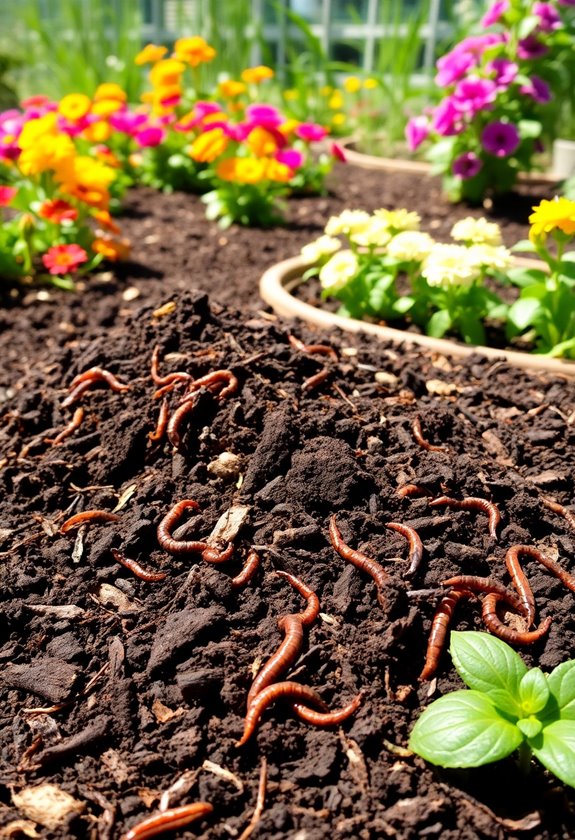
Managing pests and diseases without synthetic chemicals requires a different mindset — moving from reactive spraying to proactive system design. The goal is a garden balanced enough that no single pest can cause serious damage.
Build a Healthy Ecosystem First
The most powerful organic pest control is a diverse, healthy garden ecosystem. A garden with many different plant species supports a wide range of beneficial insects — predatory wasps, ground beetles, lacewings, ladybugs, spiders — that prey on common garden pests. When you spray pesticides, even organic ones, you kill these beneficial predators along with the pests, often making pest problems worse in the long run.
Plant flowers throughout and around your vegetable garden to attract and support beneficial insects. Marigolds, nasturtiums, borage, fennel, dill, and yarrow are all excellent choices that also happen to be beautiful.
Physical Barriers
Many pest problems can be prevented entirely with physical barriers:
- Row covers — lightweight fabric draped over plants prevents flying insects from reaching them while allowing light and water through. Highly effective against cabbage moths, squash vine borers, and many other pests
- Copper tape — deters slugs and snails when applied around the rim of raised beds
- Collars — cardboard or plastic collars around transplant stems prevent cutworm damage
- Netting — protects fruit and berries from birds
Organic Sprays and Treatments
When physical methods aren’t sufficient, organic sprays provide targeted control:
Neem oil — derived from the neem tree, effective against a wide range of soft-bodied insects including aphids, whiteflies, and spider mites. Also has antifungal properties useful against powdery mildew.
Insecticidal soap — kills soft-bodied insects on contact by disrupting their cell membranes. Effective against aphids, mites, and whiteflies. Must contact the pest directly to work.
Diatomaceous earth — microscopic fossilized algae that damages the exoskeletons of crawling insects, causing them to dehydrate. Apply around the base of plants to deter slugs, beetles, and other crawling pests.
Bacillus thuringiensis (Bt) — a naturally occurring soil bacteria that produces proteins toxic to caterpillars when ingested. Highly specific and effective against cabbage worms, tomato hornworms, and other moth larvae.
Copper fungicide — effective against fungal diseases including blight, downy mildew, and bacterial infections. Use preventively during humid weather when disease pressure is high.
Pro Tip: Always identify the pest or disease before treating. Many problems that look alarming are actually minor or self-limiting, and some “pests” are actually beneficial insects. Treating unnecessarily disrupts your garden ecosystem and kills beneficial organisms along with target pests.
Companion Planting for Organic Gardens
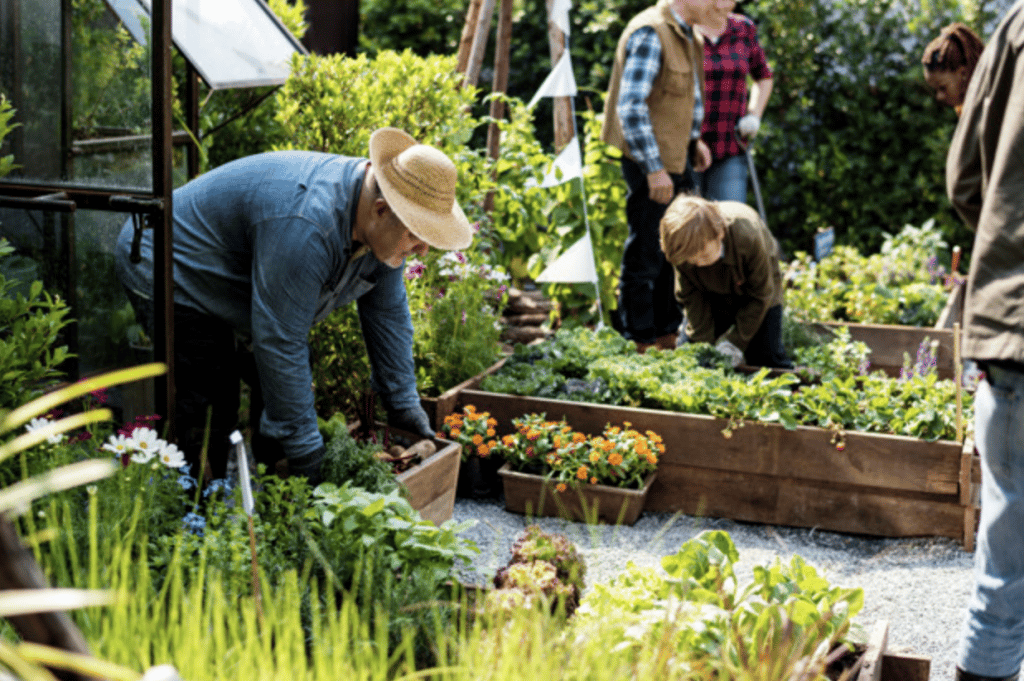
Companion planting — strategically growing certain plants together for mutual benefit — is one of the most enjoyable and effective tools in the organic gardener’s toolkit.
Classic Companion Planting Combinations
Tomatoes and Basil — one of the most famous plant partnerships. Basil is said to repel thrips, aphids, and tomato hornworm moths while improving tomato flavor. Whether the flavor benefit is real or legend, the combination is undeniably beautiful and useful. Complete Guide to Growing Tomatoes
The Three Sisters — corn, beans, and squash grown together in a Native American tradition that’s stood the test of millennia. Corn provides a climbing structure for beans, beans fix nitrogen that feeds corn and squash, and squash’s large leaves shade the ground to retain moisture and suppress weeds.
Carrots and Onions — the strong scent of onions is said to confuse carrot fly, while carrot scent deters onion fly. Plant them in alternating rows for mutual protection.
Roses and Garlic — garlic planted at the base of roses deters aphids, one of the most common rose pests.
Brassicas and Nasturtiums — nasturtiums act as a trap crop for aphids, drawing them away from cabbages and other brassicas. They’re also beautiful and edible — flowers and leaves both add a peppery kick to salads.
Plants That Don’t Get Along
Just as some plants benefit from each other’s company, others inhibit each other’s growth:
- Fennel inhibits almost everything — keep it isolated or in its own container
- Onions and garlic inhibit beans and peas
- Brassicas and tomatoes compete and may inhibit each other
- Potatoes and tomatoes (both in the nightshade family) share diseases — keep them apart
Crop Rotation: The Secret to Long-Term Success
Crop rotation — moving plant families to different beds each year — is one of the most powerful and underused tools in organic gardening. It prevents the buildup of soil-borne diseases and pests specific to each plant family and helps maintain soil fertility balance.
The Basic Four-Year Rotation
Divide your garden beds into four groups and rotate plant families through them on a four-year cycle:
Year 1: Legumes (beans, peas) — fix nitrogen, improving soil for subsequent crops Year 2: Brassicas (cabbage, broccoli, kale, cauliflower) — heavy nitrogen users that benefit from legume-enriched soil Year 3: Fruits (tomatoes, peppers, cucumbers, squash) — benefit from the improved soil structure left by brassicas Year 4: Roots (carrots, beets, onions, potatoes) — prefer soil that hasn’t been heavily fertilized recently
After year 4, the rotation begins again. This cycle breaks pest and disease cycles, balances nutrient demands, and keeps soil health improving over time.
Practical Tips for Crop Rotation
Keep a simple garden journal noting what you planted where each year. After a season or two it becomes easy to track. Even an imperfect rotation is better than no rotation at all — simply avoiding planting the same family in the same spot two years in a row provides significant benefit.
Seasonal Organic Gardening Calendar
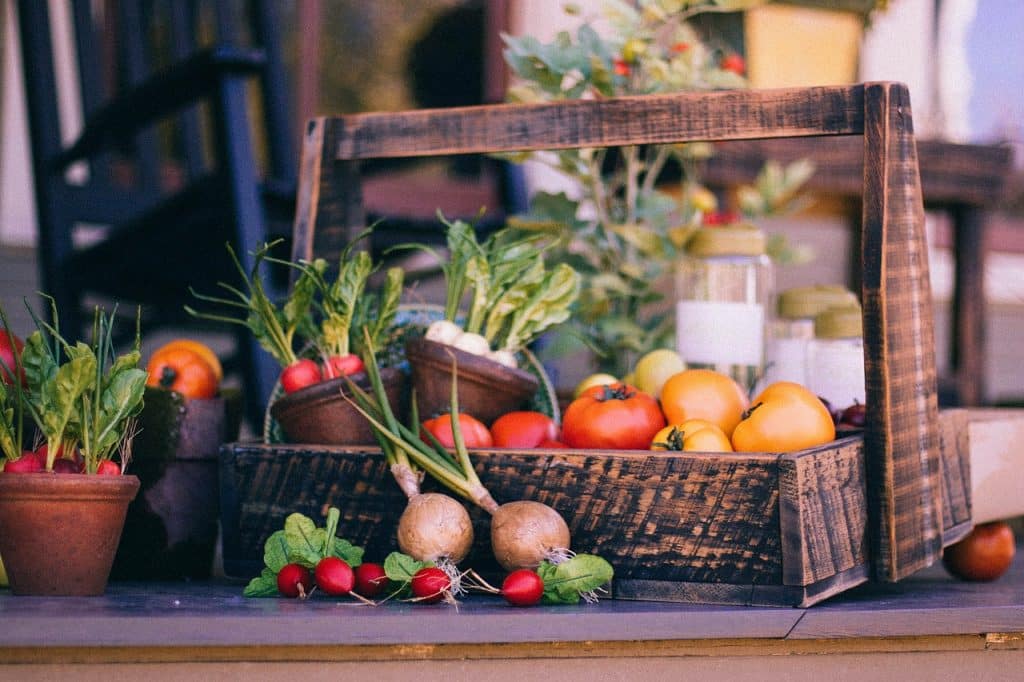
A well-timed organic garden is a productive one. Here’s how to approach each season.
Spring
- Test soil and apply amendments based on results
- Start seeds indoors for warm-season crops (tomatoes, peppers, squash) 6-8 weeks before last frost
- Direct sow cool-season crops (lettuce, spinach, peas, radishes) as soon as soil can be worked
- Apply compost as top dressing to all beds
- Plant bare-root fruit trees and berry bushes while dormant
- Refresh mulch around perennials
Summer
- Transplant warm-season starts after last frost date
- Mulch heavily before hot weather arrives
- Water consistently — check soil moisture daily during heat waves
- Side-dress heavy feeders (tomatoes, corn, squash) with compost or organic fertilizer mid-season
- Monitor for pests daily — early detection makes control much easier
- Harvest regularly — most plants produce more when picked frequently
Fall
- Plant cool-season crops for fall harvest — lettuce, spinach, kale, and root vegetables all thrive in cool autumn temperatures
- Pull spent plants and add to compost (unless diseased)
- Apply 2-3 inches of compost to all beds as winter preparation
- Plant garlic for next year’s harvest
- Save seeds from your best plants
- Plant cover crops in empty beds
Winter
- Plan next year’s garden — draw layouts, order seeds, rotate crop families on paper
- Maintain compost piles even in cold weather (activity slows but doesn’t stop)
- Read and learn — winter is the perfect time to deepen your gardening knowledge
- Build or repair raised beds and garden structures
- Order seeds early — the best varieties sell out quickly
Pro Tips for Organic Gardening Success
Keep a garden journal. Record what you planted, when, what worked, what didn’t, what pests appeared, and what weather you experienced. This document becomes more valuable every year and is the foundation of continuous improvement.
Feed the soil, not the plant. Resist the temptation to apply fertilizer whenever a plant looks stressed. Diagnose the problem first — often it’s water, light, or compaction rather than nutrition. Build soil fertility steadily through compost and organic matter rather than reacting with fertilizer applications.
Learn to love imperfection. Organic gardens have some pest damage, some disease, some blemished fruit. This is normal, healthy, and the price of a garden alive with beneficial insects and wildlife. A few aphids on one plant are food for ladybugs — not a crisis requiring intervention.
Grow more than you think you need. Weather, pests, and bad luck will take some of your harvest. Plant generously and you’ll still have plenty. Most organic vegetables are also remarkably beautiful — an abundant garden is a joy to spend time in.
Connect with other organic gardeners. Local garden clubs, community gardens, and online forums are invaluable sources of region-specific knowledge about what grows well in your area, which pests are most prevalent, and what organic solutions have worked for others nearby.
Be patient. The first year of organic gardening is often the most challenging as soil is still building and you’re still learning. The second year is noticeably better. By the third year, you’ll wonder why you ever gardened any other way.
Frequently Asked Questions
Is organic gardening more expensive than conventional gardening? Initially, there can be some investment in compost, organic amendments, and tools. Over time, however, organic gardening tends to become less expensive as soil fertility builds and the need for purchased inputs decreases. Making your own compost eliminates one of the biggest recurring costs entirely.
Can I make my existing garden organic if I’ve used chemicals before? Yes, absolutely. Stop using synthetic inputs, begin building soil health through composting and mulching, and your garden will transition to organic over time. Most soils recover relatively quickly once synthetic inputs are stopped and organic matter is added consistently.
Do organic gardens produce as much food as conventional gardens? Research suggests that well-managed organic gardens can match or exceed conventional yields, especially when soil health is good. In the transition period (first 1-3 years), yields may be somewhat lower as soil health is building. After that, production typically equals or exceeds conventional methods.
What’s the difference between organic and natural gardening? The terms are often used interchangeably in home gardening contexts. “Organic” has a specific legal definition in commercial agriculture (certified organic), but for home gardens, both terms generally mean gardening without synthetic chemicals using natural inputs and methods.
How do I know if my soil is healthy? Healthy soil is dark and crumbly, smells earthy and pleasant, contains visible worms, and drains well without becoming waterlogged. A soil test can measure pH and nutrient levels. Ultimately, healthy plants are the best indicator of healthy soil.
Is it safe to use manure in an organic garden? Yes, with appropriate care. Fresh manure should be composted before use in vegetable gardens — either hot composted or aged for at least 3-6 months. Composted manure is safe, effective, and one of the best organic fertilizers available. Avoid manure from carnivorous animals.
Can I garden organically in containers? Absolutely. Use a quality organic potting mix, add compost and organic fertilizers as needed, and follow the same principles of soil health, diversity, and natural pest management. Container gardening is actually an excellent way to start organic growing because you have complete control over the growing medium from the beginning. The Complete Guide to Raised Bed Gardening
How do I deal with slugs organically? Slugs are one of the most common organic garden pests. Effective organic controls include copper tape barriers, iron phosphate slug bait (safe around pets and wildlife), beer traps (shallow dishes of beer sunk into the soil), hand picking at night with a flashlight, and encouraging natural predators like ground beetles, hedgehogs, and birds.
Organic gardening is one of the most rewarding things you can do in your backyard. It connects you to the natural world, produces food you can feel genuinely good about eating, and creates a garden that becomes more beautiful and productive with every passing season. Start with healthy soil, grow what you love, and trust in the extraordinary intelligence of natural systems. Your organic garden will reward that trust many times over.
Have questions about getting started with organic gardening? Leave a comment below — we’d love to help you on your journey! 🌱

