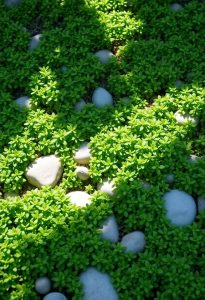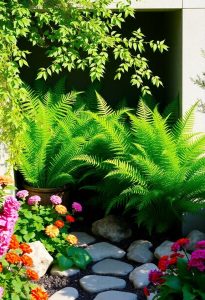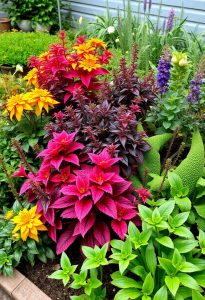
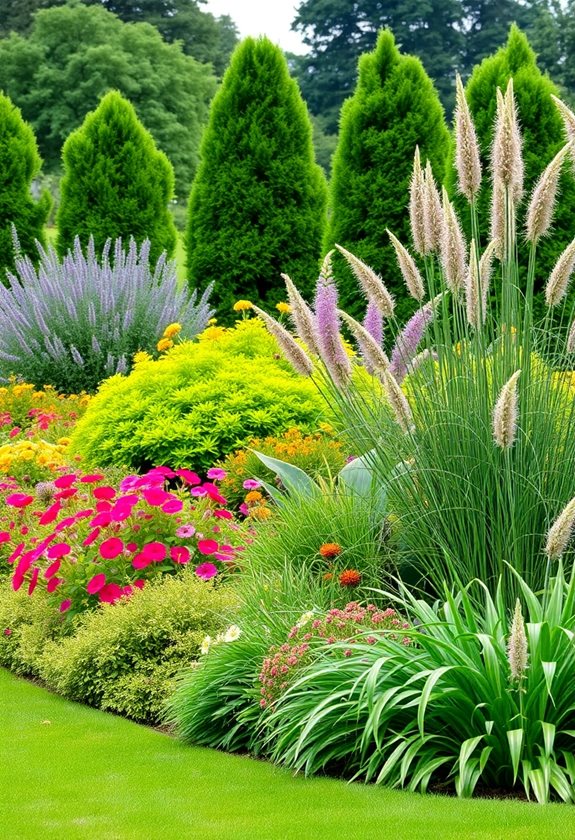
Layering plants can truly transform your garden into a vibrant oasis! Here are three essential tips: first, know your plant heights—group taller plants in the back and shorter ones in front to create depth. Second, mix textures and colors; pairing smooth leaves with spiky plants adds excitement! Finally, think about seasonal changes; select plants that thrive together across the seasons. Trust me, it makes maintenance easier, too! Want to discover more about perfecting your garden? Keep exploring!
Design Highlights
- Group plants by height to create visual balance, ensuring taller plants do not overshadow shorter ones.
- Combine various textures and colors to enhance interest and contrast in your landscape.
- Plan for seasonal changes to keep your garden vibrant throughout the year.
- Layer plants effectively to support local wildlife and create diverse habitats.
- Regular maintenance and care are essential for sustaining the beauty and health of your layered design.
Understand Plant Heights and Growth Habits
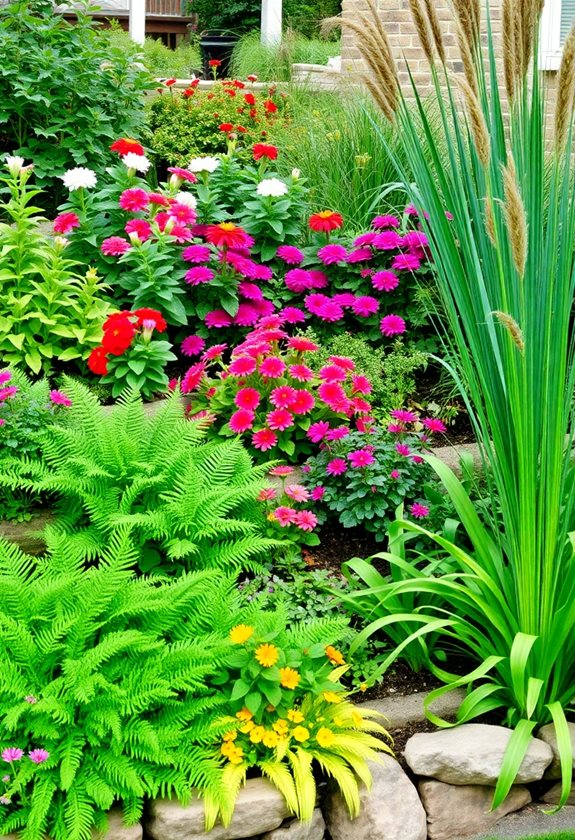
When you plunge into the world of landscaping, understanding plant heights and growth habits is like getting to know the quirks of your favorite friends—it’s essential for creating a harmonious garden! Imagine a vibrant space where shorter plants don’t get overshadowed by taller ones.
- Check growth patterns; some plants spread wide while others grow tall.
- Group plants with similar heights for a balanced look.
Don’t forget to reflect on how they’ll grow over time! After all, you wouldn’t want a towering sunflower blocking your beloved daisies! So, let’s dig in and create a safe, beautiful haven together! Additionally, consider layering plants effectively to enhance the visual appeal and ensure every plant shines in its own right.
Choose a Variety of Textures and Colors
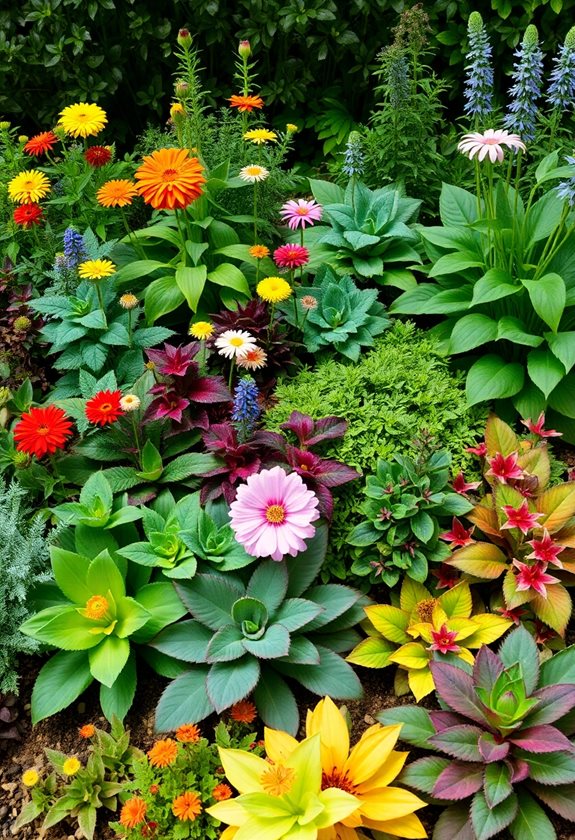
While it might be easy to fall in love with the vibrant colors of a single flower, the real magic happens when you combine a variety of textures and shades in your landscape design! Think about it—smoother leaves paired with rugged, spiky plants create visual interest. You could mix soft ferns with bold succulents or vibrant blooms with muted greens. Why not try layering plants of different heights and colors?
- Use bright flowers for focal points.
- Incorporate leafy shrubs for depth.
This variety not only looks stunning but also provides a safe haven for local wildlife. Your garden can be a colorful, vibrant sanctuary! Remember that mixing textures is essential for creating a visually appealing landscape design.
Consider Seasonal Changes and Maintenance Needs
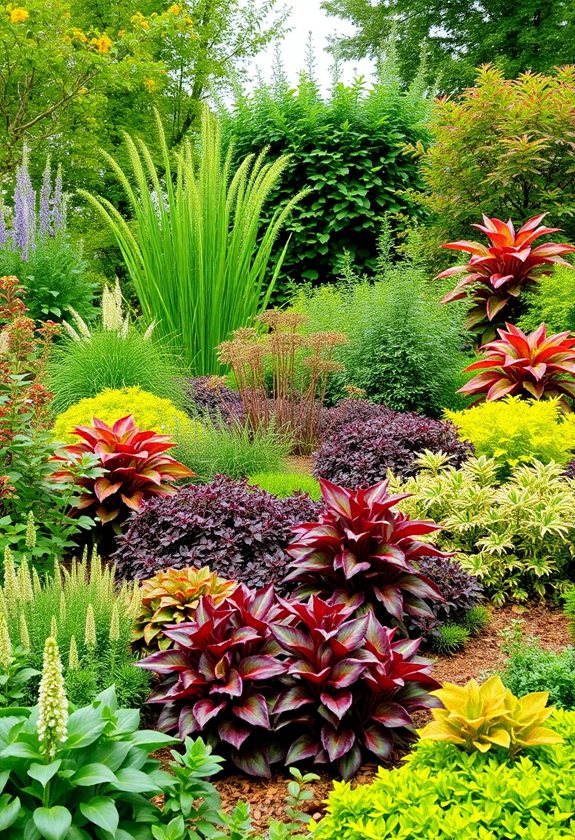
As you immerse yourself in landscape design, it’s essential to think about how your garden will change with the seasons and what maintenance it’ll need along the way. Have you considered how your plants will look in winter versus summer? Some may need more water or pruning during specific times. Here are a few tips:
- Choose plants that thrive in your climate.
- Plan for seasonal color changes.
- Keep tools handy for quick upkeep.
Incorporating edible plants for beauty in your design can enhance both aesthetics and flavor. Maintaining your garden can be a joy! After all, a little love in the spring leads to stunning blooms in the summer. Isn’t that worth it?
Frequently Asked Questions
How Do I Choose Plants for Specific Lighting Conditions?
Choosing plants for specific lighting conditions is like picking the right pair of sunglasses for a sunny day! You’ll want to assess your space first. Is it sunny, shady, or somewhere in between?
Here’s how to choose:
- Full sun: Go for sunflowers or lavender.
- Partial shade: Consider hostas or ferns.
- Full shade: Try astilbes or bleeding hearts.
What Are the Best Plants for Attracting Pollinators?
To attract pollinators, you’ve got to choose the right plants! Think about vibrant flowers like coneflowers, sunflowers, and lavender. These beauties not only look great but also entice bees and butterflies. You might want to plant clumps of these flowers together; it makes it easier for pollinators to find them. Ever seen a butterfly on a sunflower? It’s magical! Plus, mix in some herbs like basil and mint—pollinators love those too!
How Can I Create a Focal Point in My Landscape?
Creating a focal point in your landscape is like setting the stage for a grand performance. You want something that grabs attention! Start with a striking feature, like a vibrant sculpture or a beautiful tree. Surround it with complementary plants to enhance its appeal. Consider varying heights and colors, and don’t forget about lighting! You could even create a cozy seating area nearby. What will your masterpiece look like? Immerse yourself and let your creativity bloom!
When Is the Best Time to Plant Layered Gardens?
The best time to plant layered gardens usually depends on your climate, but spring and fall are often ideal. In spring, the soil warms up, making it easier for roots to establish. Fall allows plants to settle in before winter hits. Have you considered your local weather? Don’t forget to check frost dates! When you plant at the right time, your garden bursts with life and color—it’s like watching a masterpiece unfold!
How Do I Prevent Overcrowding in Layered Plantings?
Did you know that overcrowded plants can reduce growth by up to 30%? To prevent this, start by spacing your plants properly; aim for at least 12 inches apart, depending on their mature size. Regularly prune back any overgrown plants, and consider their sun and water needs. Have you thought about using taller plants to create a natural backdrop? It’s like giving your garden a cozy hug—just make sure everyone has room to breathe!