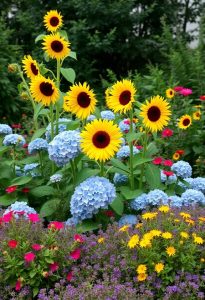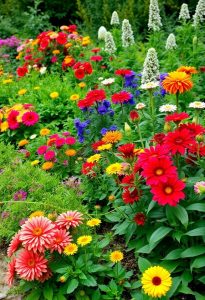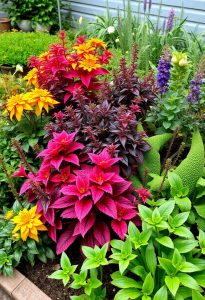
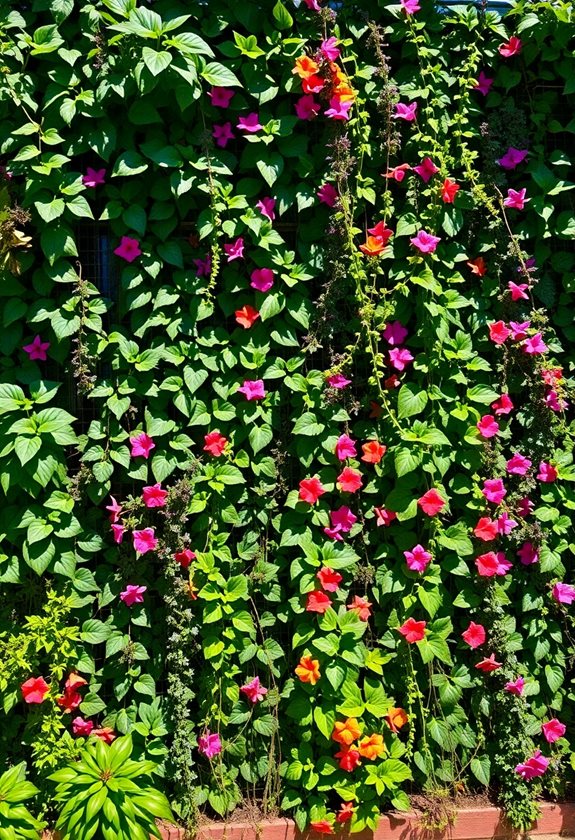
Want to create a stunning green wall? Try climbing plants like Wisteria, which drapes beautiful purple flowers, or Climbing Roses for some romantic flair. Sweet Peas add vibrant color and fragrance, while Jasmine brings that delicious scent we all love! Don’t forget Clematis for a splash of variety—it’s like a box of chocolates in your garden! Trust me, each of these plants can make your space magical. Ready to dig deeper into more options?
Design Highlights
- Clematis offers a stunning variety of shapes and colors, perfect for creating vibrant green walls.
- Wisteria adds elegance with cascading purple flowers, requiring sturdy support for its lush growth.
- Climbing Roses enhance aesthetics with vibrant blooms and delightful fragrance, making dull walls come alive.
- Jasmine provides an intoxicating scent and beautiful vertical display, thriving in sunny spots with trellis support.
- Sweet Peas attract pollinators with colorful blooms and fragrance, ideal for sunny areas with climbing support.
Wisteria: The Elegant Climber
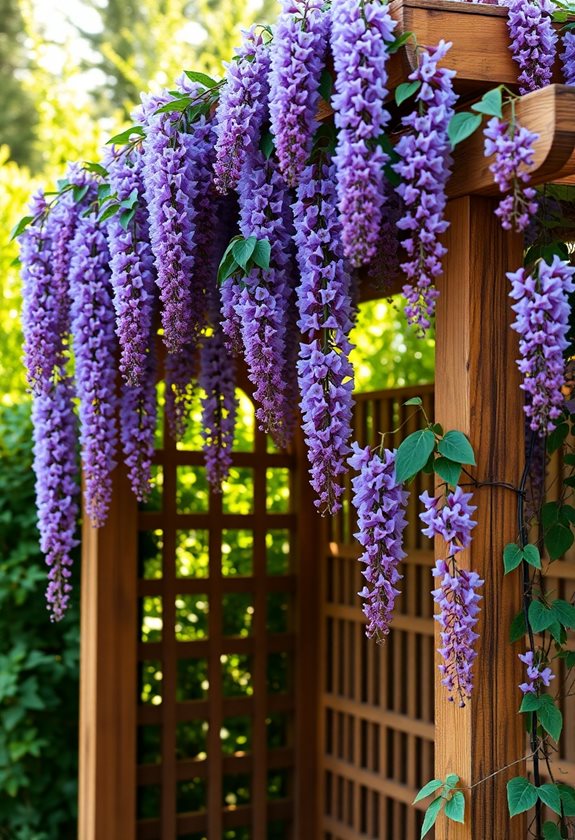
When you think of creating a stunning garden, isn’t it hard to resist the allure of wisteria? These elegant climbers can transform any space into a dreamy retreat! Just picture those cascading purple flowers swaying in the breeze. But remember, wisteria needs some TLC.
- Choose a sturdy trellis for support.
- Prune regularly to keep it in check.
Be cautious: the seeds are toxic, so keep them away from curious pets and little ones. With a little effort, wisteria can become the crown jewel of your garden, adding charm and beauty. Climbing plants are an excellent choice for enhancing privacy and aesthetics. Isn’t that worth it?
Climbing Roses: A Touch of Romance
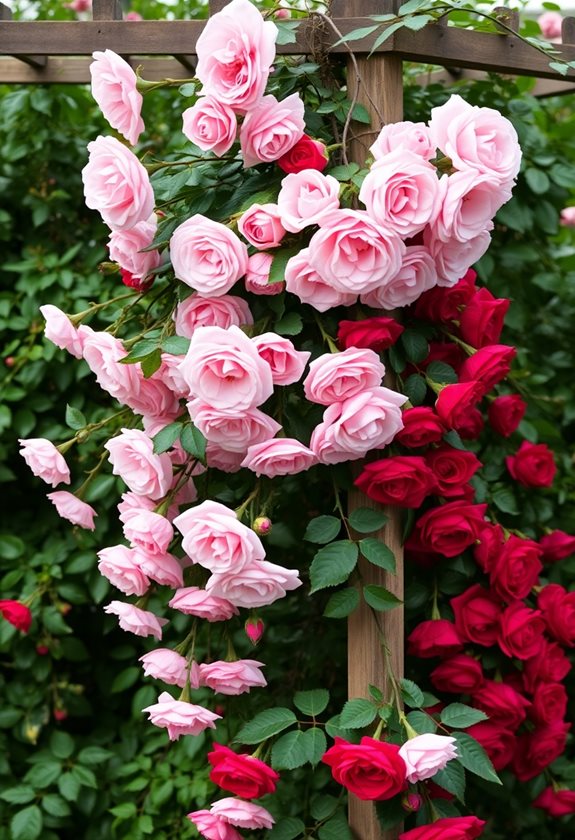
If you’re dreaming of adding a touch of romance to your garden, climbing roses might just be your perfect match! These beauties can transform a dull wall into a vibrant tapestry of color and fragrance. Imagine walking past a cascade of pink and red blooms—pure bliss, right?
To get started, choose a sturdy trellis or wall, and plant your roses in well-drained soil. Verify they get plenty of sunlight and water them regularly.
Don’t forget to prune them each spring! With a little care, you’ll enjoy a breathtaking display that’ll make your garden the talk of the neighborhood! Garden magic awaits! Additionally, selecting the right support, like a sturdy trellis, can enhance the growth and appearance of your climbing roses.
Sweet Peas: Fragrant and Colorful
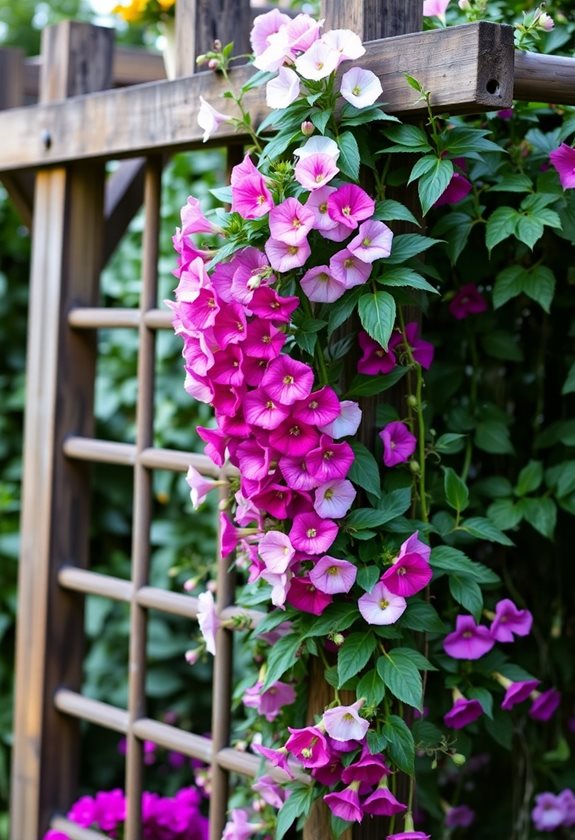
Sweet peas are like nature’s confetti, bursting with color and fragrance that can instantly brighten up any garden. You’ll love how easy they are to grow, and they attract pollinators too! Whether you’re a beginner or a seasoned gardener, these beauties can add a charming touch.
- Choose a sunny spot for best growth.
- Provide a trellis or support for climbing.
- Water regularly, but don’t overdo it!
- Harvest flowers often to encourage more blooms.
- Enjoy their delightful scent while they flourish!
Additionally, sweet peas are one of the best climbing plants for creating lush green walls, enhancing the beauty of your outdoor space!
Jasmine: The Scented Star
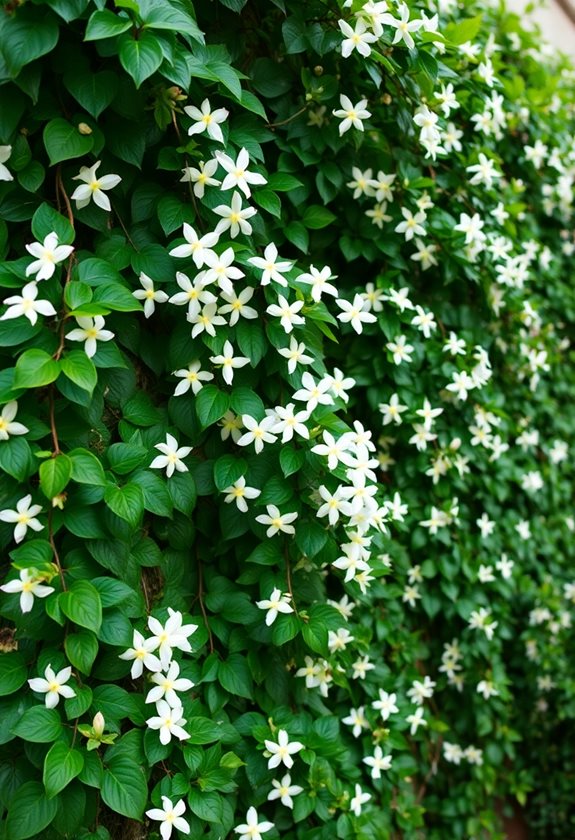
Jasmine, with its delicate blossoms and intoxicating fragrance, stands out as a true star in the climbing plant world. You’ll love how it transforms your space! Imagine stepping outside, greeted by that sweet scent. If you’re thinking of adding jasmine to your garden, here are a few tips:
- Choose a sunny spot; jasmine loves the light!
- Train it on a trellis or wall for maximum impact.
- Water regularly but avoid overwatering—no one likes soggy roots!
With a little care, your jasmine can thrive, bringing beauty and joy. Garden structures for climbing plants can enhance its growth and create a stunning vertical display. Ready to make your garden smell heavenly? Let’s get started!
Clematis: A Diverse Selection
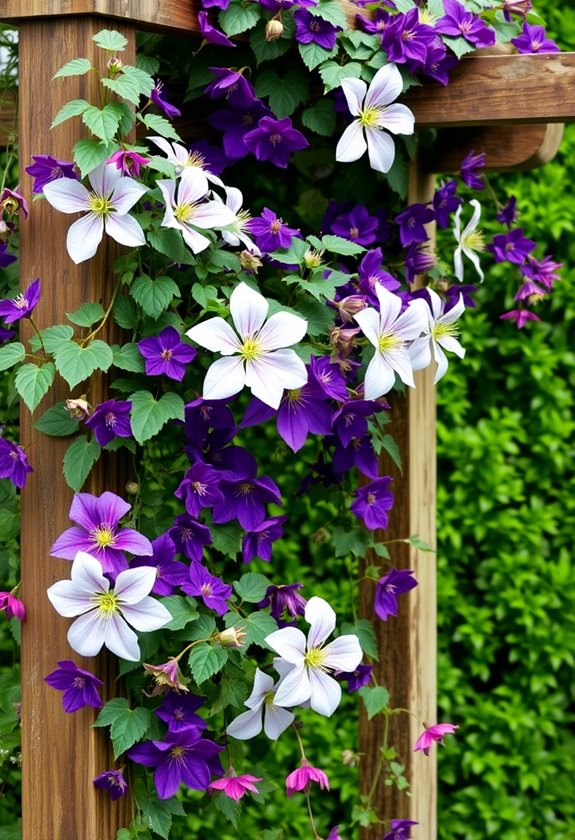
When it comes to climbing plants, you might think of jasmine as a fragrant friend, but let’s not forget about clematis, which offers a stunning variety that can brighten up any garden. These beauties come in different shapes, sizes, and colors, making them perfect for your green wall. You’ll love how easy they are to grow! Consider these fantastic clematis types:
- Jackmanii: Deep purple blooms, very popular!
- Nellie Moser: Unique pink and white flowers.
- Hagley Hybrid: Soft pastel pinks.
- The President: Bold blue, eye-catching!
- Sweet Autumn: Fragrant white flowers in fall.
In addition to their beauty, clematis can be complemented by garden waterfalls to create a serene outdoor atmosphere.
Happy planting!
Virginia Creeper: Fast-Growing Foliage
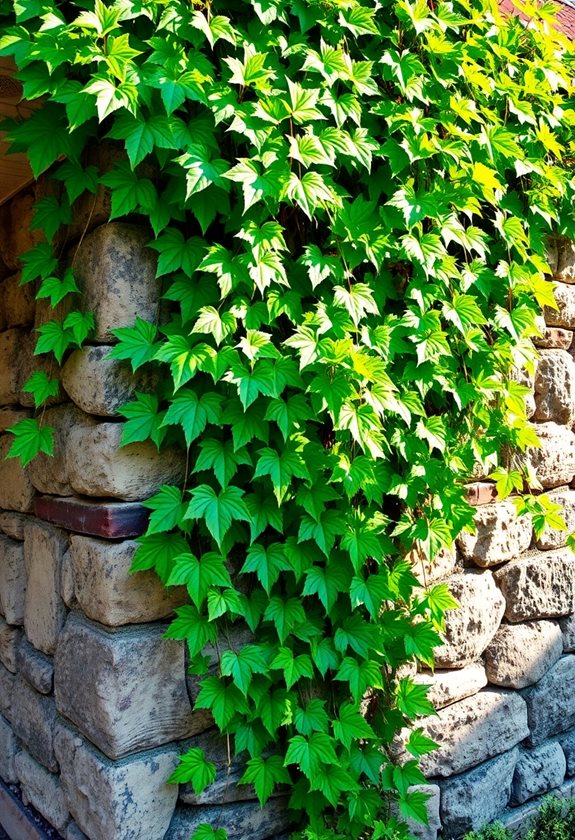
Virginia Creeper is like nature’s own green carpet, quickly transforming dull spaces into vibrant landscapes. This fast-growing vine can reach heights of up to 50 feet, making it perfect for creating a lush backdrop on fences or walls. Plus, it’s pretty easy to care for! Just make sure to give it plenty of sunlight and water, and it’ll flourish. Additionally, incorporating edible plants into your garden design can enhance both beauty and flavor.
Here are a few quick tips:
- Prune it back in early spring for better growth.
- Keep an eye out for pests, though they’re rare.
With Virginia Creeper, you’ll enjoy thick foliage without the worry—what’s not to love?
Passionflower: Exotic Beauty and Fruit
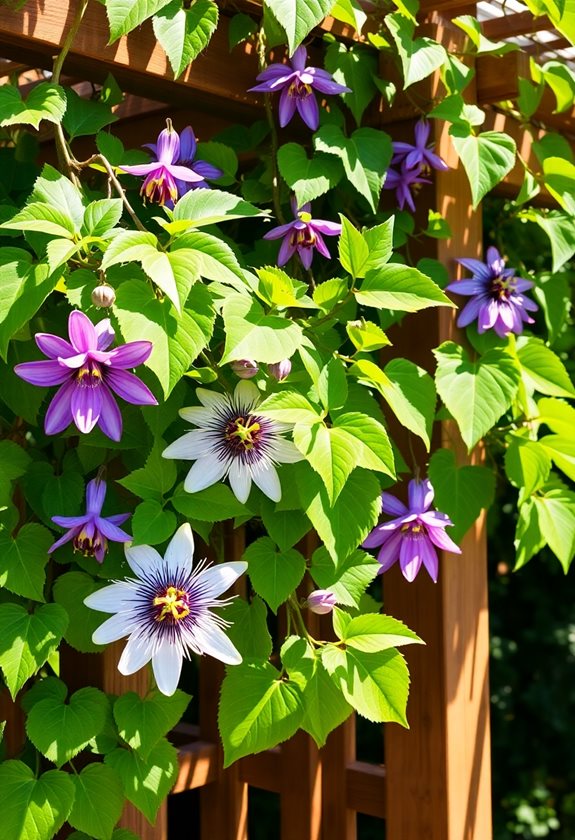
If you’ve ever dreamed of a garden that bursts with color and fragrance, then Passionflower might just be your new best friend! This stunning climber not only enchants with its exotic blooms but also offers delicious fruits. Imagine picking fresh Passionfruit right from your garden!
- Vibrant, intricate flowers attract pollinators
- Edible fruit adds a tropical twist to your dishes
- Thrives in sun or partial shade
- Grows quickly, providing instant greenery
- Low maintenance and resilient to pests
Passionflower is also known to be pollinator-friendly foliage, making it an excellent choice for enhancing your garden’s biodiversity.
Frequently Asked Questions
How Do I Choose the Right Climbing Plant for My Climate?
Choosing the right climbing plant for your climate can feel tricky, but it’s all about understanding what works best in your area! Start by checking your USDA hardiness zone—this’ll help narrow your options. Consider sunlight and soil type too! Do you want something fast-growing? Or maybe a fragrant option? Researching local favorites can be super helpful. And remember, plants like morning glories will thrive in sunny spots, while ferns prefer shade! Exciting, right?
What Type of Support Structure Is Best for Climbing Plants?
When picking a support structure for your climbing plants, think about stability and style! You might consider:
- Trellises: Perfect for small spaces and add charm.
- Arbors: They create stunning entrances and offer great support.
- Fences: If you’ve got a sturdy one, let those plants go wild!
Make sure it’s strong enough to hold the weight of your plants. After all, you don’t want a surprise collapse during a garden party, right? Happy gardening!
When Is the Best Time to Plant Climbing Plants?
The best time to plant climbing plants is in the spring or early fall. Why? Well, these seasons provide mild temperatures and plenty of moisture—perfect for new growth! You’ll want to prepare the soil first, making it rich and inviting. Don’t forget to check your local frost dates; planting too early can lead to sad plants! So, grab your gardening gloves, and let’s get those climbing beauties started! Exciting, right?
Can Climbing Plants Damage Walls or Structures?
Imagine a vine creeping up a wall like a curious kid exploring a new playground. While climbing plants can add charm, they can also cause damage. Their roots might wiggle into cracks, leading to bigger issues. To keep your structures safe, consider:
- Regular inspections: Check for signs of wear.
- Choose wisely: Some plants are less invasive.
- Install barriers: Keep roots in check!
Isn’t it better to enjoy your garden without worrying about your walls?
How Do I Maintain and Prune Climbing Plants?
Maintaining and pruning climbing plants can feel a bit intimidating, but don’t worry! You’ll want to trim them back in early spring to encourage healthy growth. Check for dead or damaged stems, and cut them away. Use clean, sharp shears—trust me, your plants will thank you! Regularly guiding them along their support structures also helps. Have you ever seen a plant that just won’t cooperate? You’re not alone; it happens to all of us!