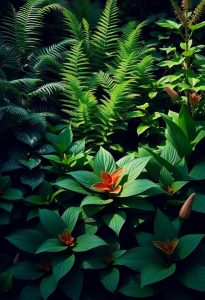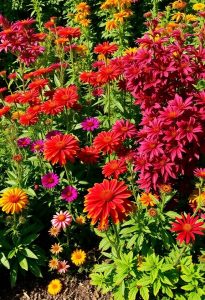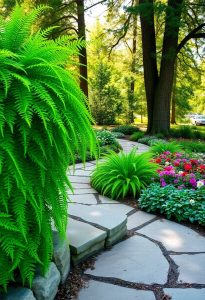
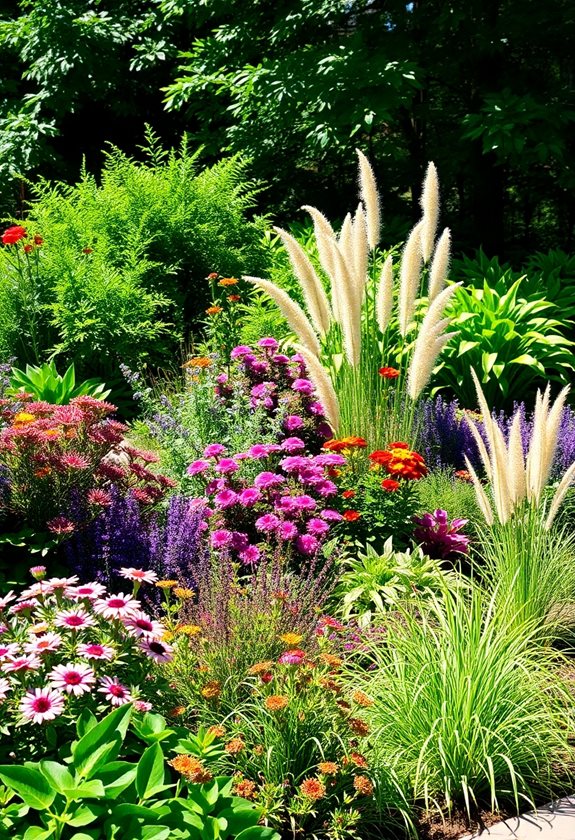
Mastering plant layers is all about creating a lush garden that feels alive! Start with healthy soil, then add trees for height and shade—imagine a cool retreat on a hot day! Next, mix in shrubs for volume, and don’t forget perennials for yearly blooms. Add some colorful annuals for pops of seasonal joy! Groundcovers can tackle weeds, while vertical gardening saves space. Want to learn how to keep that garden thriving? Stick around for more tips!
Design Highlights
- Begin with healthy soil; test pH and enrich with organic matter like compost for optimal nutrient availability.
- Incorporate trees for height and shade, strategically placed to enhance privacy and attract wildlife.
- Use a mix of shrubs to create volume and inviting spaces, opting for various heights and textures for visual interest.
- Plant perennials for reliable yearly blooms and use annuals for seasonal color, ensuring maintenance for a vibrant garden.
- Implement groundcovers to suppress weeds and erosion, and consider vertical gardening techniques to maximize space and add texture.
Understanding Plant Layers: The Foundation of Garden Design
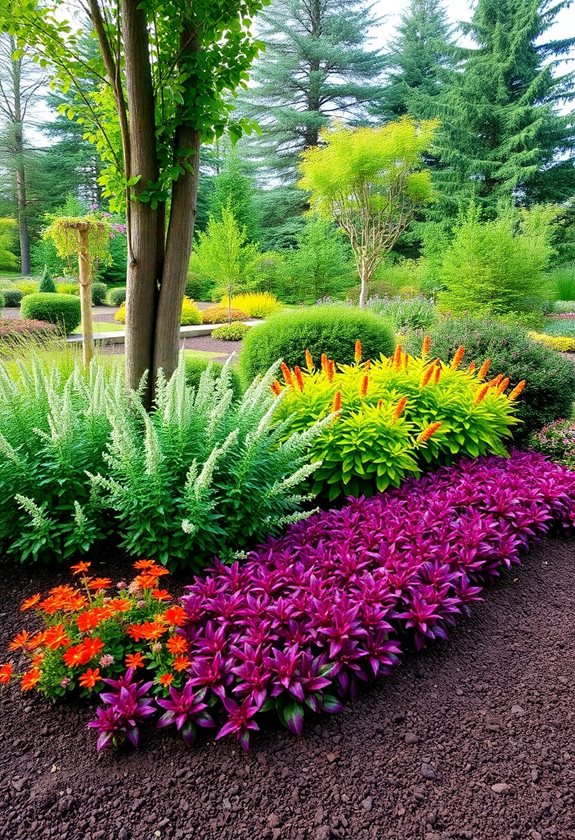
When you think about creating a beautiful garden, have you ever considered what lies beneath the surface—literally? Understanding plant layers is essential! The soil’s health is the foundation of your lush garden. Start with a well-aerated top layer, where nutrients thrive. Beneath that, a rich subsoil supports roots and drainage. To create depth and visual interest, consider utilizing layered planting techniques that enhance the overall aesthetics of your garden.
Here are a few tips:
- Test your soil for pH balance.
- Add organic matter, like compost, to boost fertility.
The Role of Trees: Creating Height and Structure
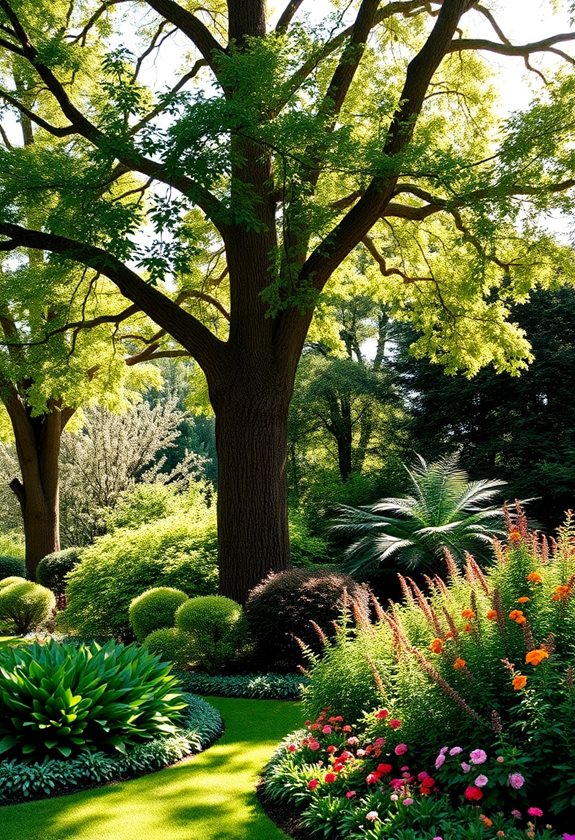
As you step into your garden, have you ever noticed how trees can transform the entire space? They’re not just tall plants; they’re your garden’s backbone! Here’s how they create that essential height and structure:
Trees are the backbone of your garden, transforming it with height, shade, and privacy for a serene retreat.
- Shade: Trees can provide relief from the sun, making your garden a cool retreat.
- Privacy: Strategically placed trees can shield your space from prying eyes, creating a cozy nook.
- Wildlife Habitat: Trees attract birds and beneficial insects, boosting your garden’s health. Additionally, certain trees can also serve as excellent privacy plants, enhancing the secluded feel of your garden.
Shrubs and Bushes: Adding Volume and Focal Points
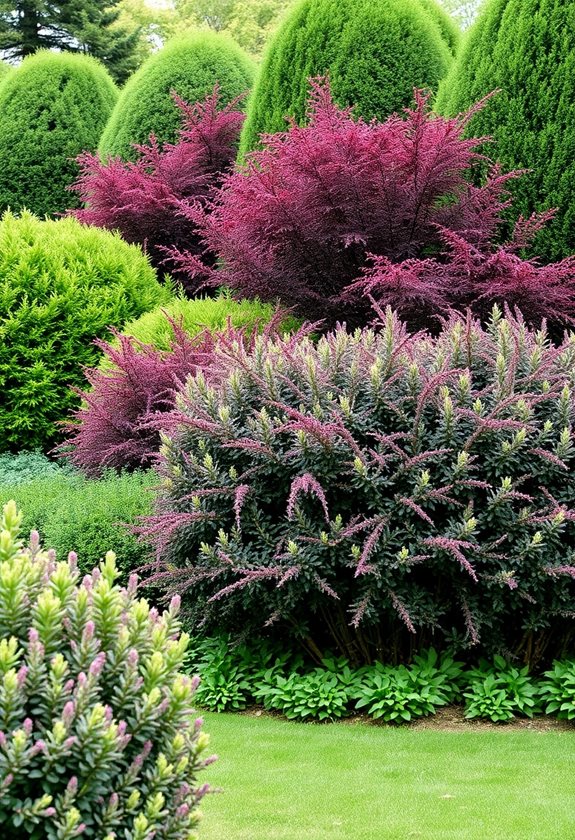
Shrubs and bushes are like the cozy furniture in your garden’s living room, bringing volume and personality to your outdoor space! They create inviting nooks and can frame your favorite features. Think about it: wouldn’t a vibrant hydrangea or a neatly trimmed boxwood make a perfect focal point?
When planting, consider:
- Height and shape: Mix tall and short varieties for interest.
- Texture: Combine glossy leaves with soft, fuzzy ones for a dynamic look.
- Safety: Choose non-toxic plants if pets or kids are around.
Additionally, incorporating layering techniques can enhance the overall aesthetic of your garden, creating a more visually appealing and cohesive design.
Perennials and Annuals: Color and Seasonal Interest
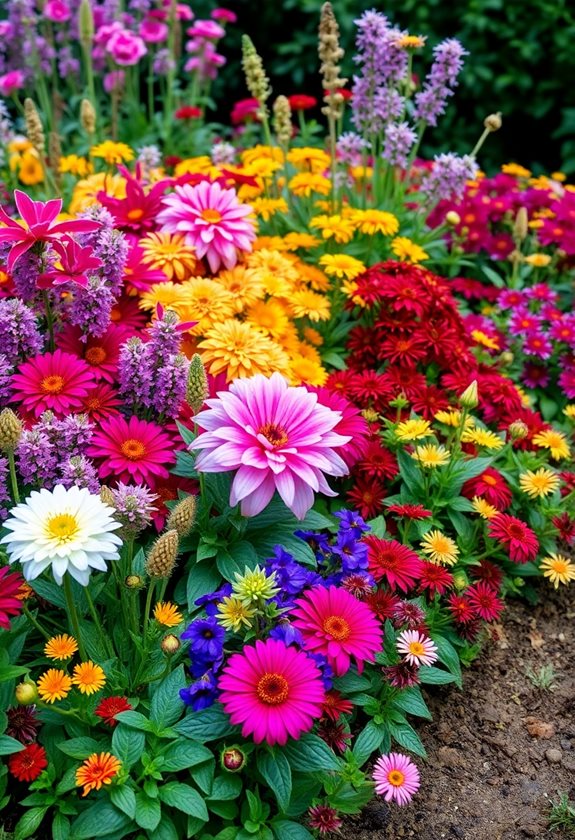
Imagine stepping into your garden and being greeted by a vibrant palette of colors that shifts with the seasons! Mixing perennials and annuals not only adds beauty but also keeps your garden lively year-round. Consider these tips for a stunning display:
- Perennials: They return every year, providing a reliable foundation.
- Annuals: These bring bursts of color, perfect for seasonal change.
- Color Combinations: Play with contrasting and complementary hues for visual interest.
Incorporating fragrant colorful flowers can enhance the sensory experience of your garden. Don’t forget to plan for maintenance! With the right balance, your garden can be a safe haven of color, joy, and inspiration. Ready to dig in?
Groundcovers: Filling Gaps and Preventing Weeds
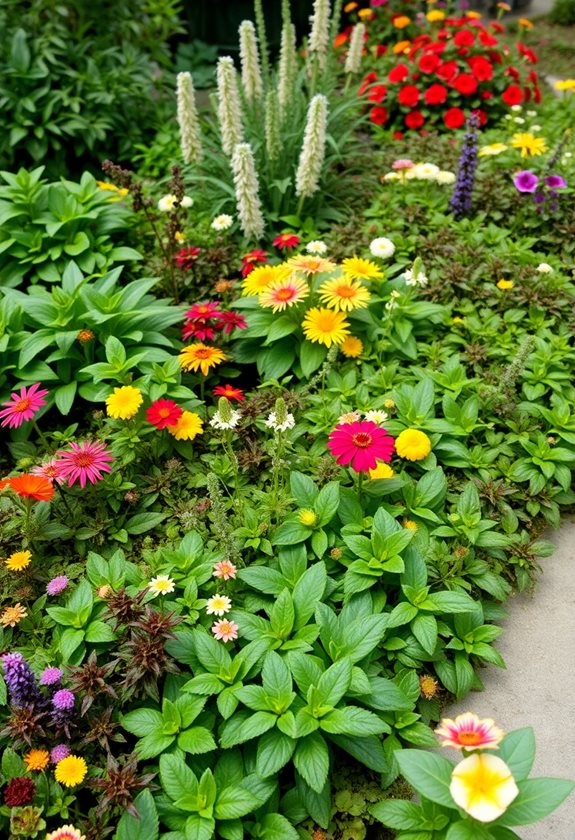
Groundcovers can transform those pesky gaps in your garden into lush, vibrant spaces that not only enhance your landscape but also suppress those relentless weeds. Imagine a carpet of green, softly cushioning your feet while keeping unwanted plants at bay! Consider options like creeping thyme or clover—both are safe and beautiful. They fill in gaps, preventing erosion, and require minimal maintenance. Plus, they attract beneficial pollinators! So, next time you’re battling weeds, why not try a groundcover? It’s like giving your garden a cozy blanket, making it feel complete. Who doesn’t love a thriving, weed-free space? Additionally, choosing easy-care plants ensures that you won’t end up with high-maintenance options that demand more attention than your garden deserves. Happy gardening!
Vertical Gardening: Maximizing Space and Texture
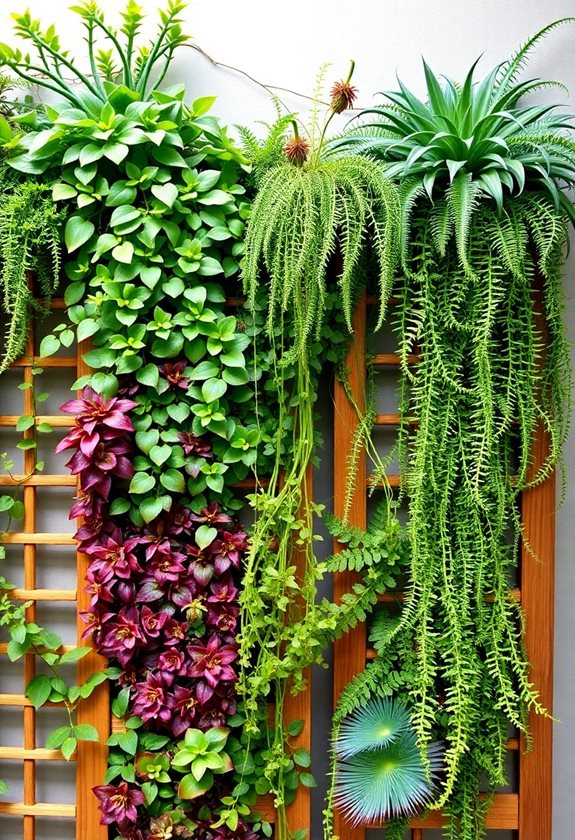
If you’ve ever looked at a blank wall or an empty fence in your yard and thought, “What a missed opportunity!” you’re not alone. Vertical gardening is your chance to transform that space into a green paradise! With a little creativity, you can maximize both space and texture in your garden. Here are some ideas to get you started:
Transform your blank walls and fences into a lush vertical garden that maximizes space and adds vibrant texture to your yard.
- Use wall planters for herbs and flowers.
- Hang pots to create an eye-catching display.
- Install trellises for climbing plants.
Incorporating vertical gardening solutions can help you achieve a lush and vibrant atmosphere. Why not embrace your vertical space? It’s a fun way to add greenery while keeping your garden safe and inviting!
Tips for Maintaining Your Layered Garden Design
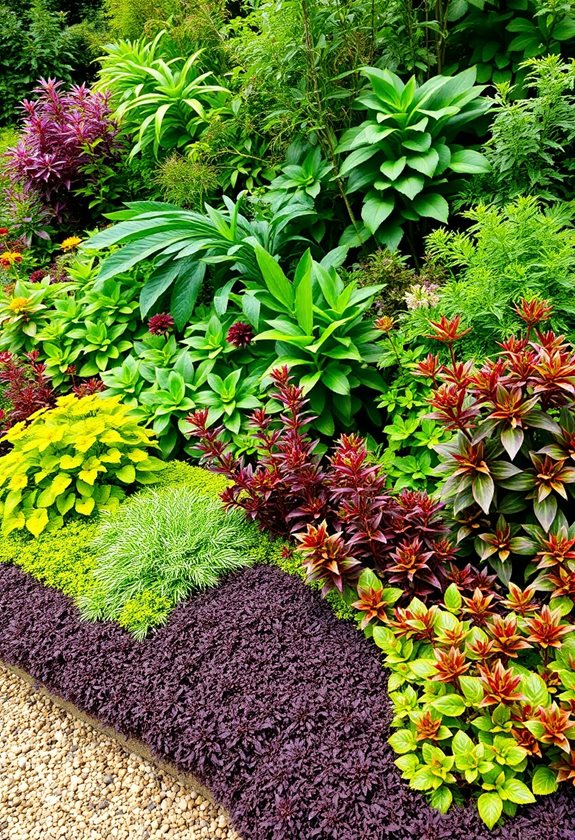
Maintaining a layered garden design can feel overwhelming at times, but it doesn’t have to be! Start by checking your plants regularly—are they thriving or struggling? Water them deeply, especially in dry spells. Here are some tips for you:
- Mulch your garden to retain moisture and suppress weeds.
- Prune dead or overgrown branches to keep plants healthy and safe.
- Rotate your annuals for a fresh look each season. Additionally, consider incorporating low-maintenance plants that require less attention, making your gardening experience even easier.
Frequently Asked Questions
How Do I Choose Plants for My Specific Climate Zone?
Choosing plants for your climate zone is key to a thriving garden! Start by checking your local hardiness zone—this tells you what plants thrive in your area. Then, consider factors like sunlight, soil type, and moisture levels. Don’t forget to visit local nurseries; they often carry plants suited for your zone! Have fun experimenting! Remember, gardening’s about learning and growing—just like your plants! What will you plant first? 🌱
What Are the Best Companion Plants for My Garden Layers?
Imagine your garden as a cozy gathering of friends, where each plant supports the other! When choosing companion plants, think about pairing tall sunflowers with low-growing herbs like basil, or mixing colorful marigolds to keep pests away. You could also pair beans with corn, creating a natural support system. Have you thought about how these combinations can thrive together? Each choice you make can transform your garden into a vibrant, harmonious space!
How Often Should I Water My Layered Garden?
You should water your layered garden about once a week, but it really depends on the weather. If it’s hot and dry, you might need to do it more often. When you water, soak the soil deeply to encourage roots to grow strong. Here’s a tip: stick your finger in the soil; if it’s dry an inch down, it’s time to water! Remember, your plants will thank you with vibrant growth! 🌱
Can I Mix Edible Plants With Ornamental Ones?
Absolutely, you can mix edible plants with ornamental ones! It’s like creating a beautiful buffet in your garden. Think of vibrant nasturtiums, which not only look stunning but are edible too! Just make sure you’re choosing plants that thrive together. Some good combos include:
- Herbs like basil with colorful flowers
- Tomatoes with marigolds for pest control
It’s a fun way to enjoy both beauty and flavor! Who doesn’t love a garden that looks good enough to eat?
How Do I Create a Layered Garden in a Small Space?
Did you know that vertical gardening can increase your planting area by up to 50%? To create a layered garden in a small space, start with taller plants in the back or center, like sunflowers. Next, add medium-height plants, like tomatoes, and finish with low-growing herbs or flowers at the front. Use pots or trellises to maximize space. Isn’t it exciting to see your garden come to life in such a compact area? Happy planting!