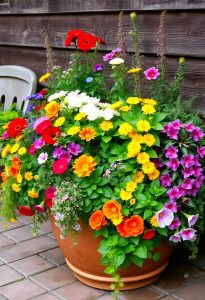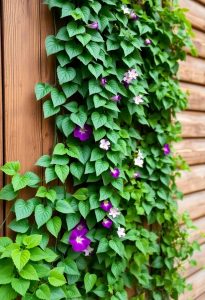
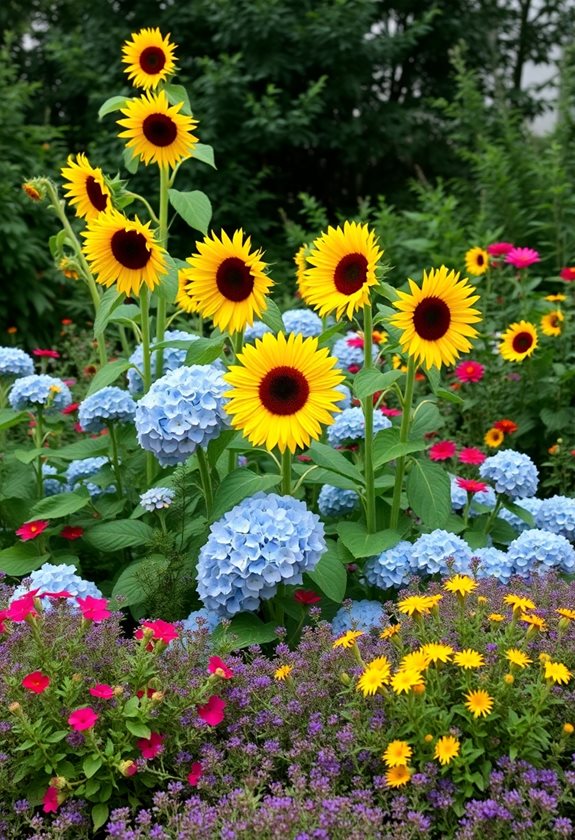
Layering plants can transform your garden into a stunning oasis! Start by choosing the right plants that thrive in your climate. Next, plan your layout by placing tall plants like sunflowers in the back, and shorter blooms such as marigolds in the front for a beautiful view. Finally, consider seasonal changes – some plants may need more care than others throughout the year. What’s your favorite plant to use? Keep exploring, and you’ll discover even more tips to enhance your garden!
Design Highlights
- Arrange taller plants at the back and shorter ones at the front to create a visually appealing layered effect.
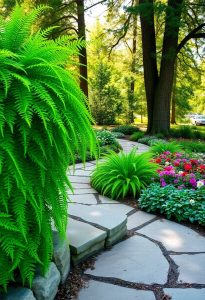
- Incorporate varying textures, such as ferns and ornamental grasses, to enhance depth and interest in your garden.
- Choose a mix of flowering and foliage plants to ensure continuous color and texture throughout the seasons.
- Avoid overcrowding by carefully planning the spacing and height of each plant in your layout.
- Consider seasonal changes to maintain visual interest and ensure proper light access for all layered plants.
Choose the Right Plants for Your Space
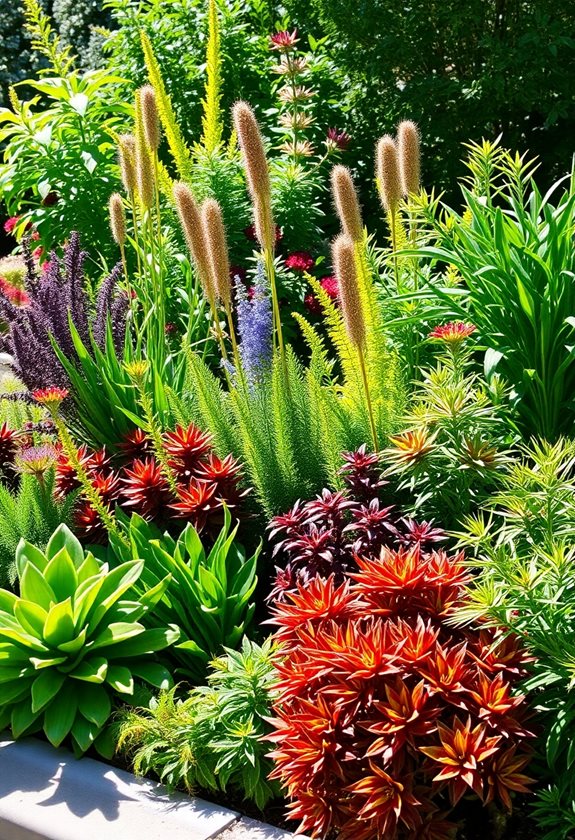
Have you ever walked into a garden and felt completely overwhelmed by the choices? You’re not alone! Choosing the right plants for your space is key to a safe and beautiful garden. Start by considering your climate and soil type—some plants thrive in sunny spots, while others prefer shade.
Navigating plant choices for your garden can be daunting; consider your climate and soil for the best results.
Here are a few tips:
- Native plants are often hardier and require less maintenance.
- Diversity can prevent disease; mix flowers, shrubs, and grasses!
- Avoid invasive species; they can take over your garden.
- Incorporating native plants can enhance the local ecosystem and support wildlife.
Plan Your Layout With Height and Texture in Mind
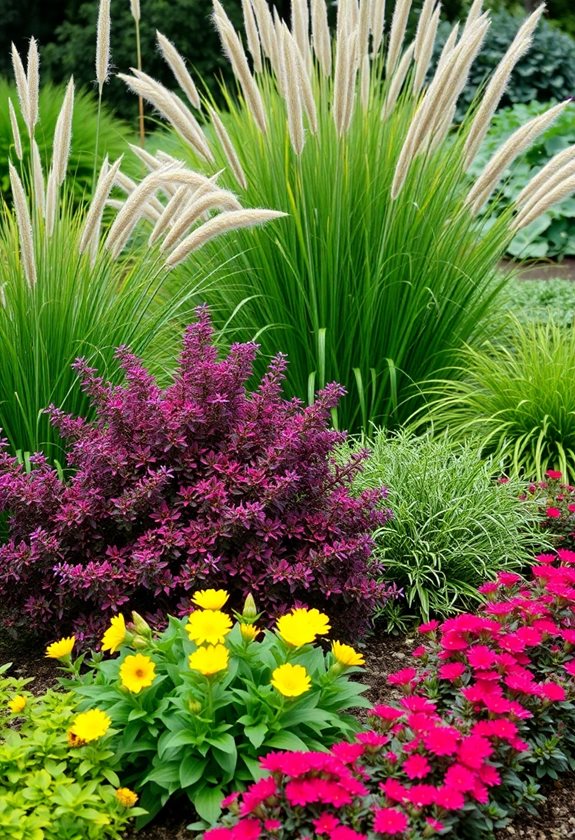
When you start planning your garden layout, it’s essential to think about height and texture, especially if you want to create a space that’s both visually appealing and functional. Imagine this: tall sunflowers in the back, shorter marigolds in the front—doesn’t that sound bright? Mixing textures, like the soft leaves of ferns and the spiky look of ornamental grasses, adds interest too. Consider different plant heights to prevent overcrowding, and always keep safety in mind—some plants can be toxic to pets. Incorporating layered planting techniques can further enhance the depth of your garden. So, why not sketch your ideas? It’s like creating your own botanical masterpiece! Ready to dig in?
Consider Seasonal Changes and Maintenance Requirements
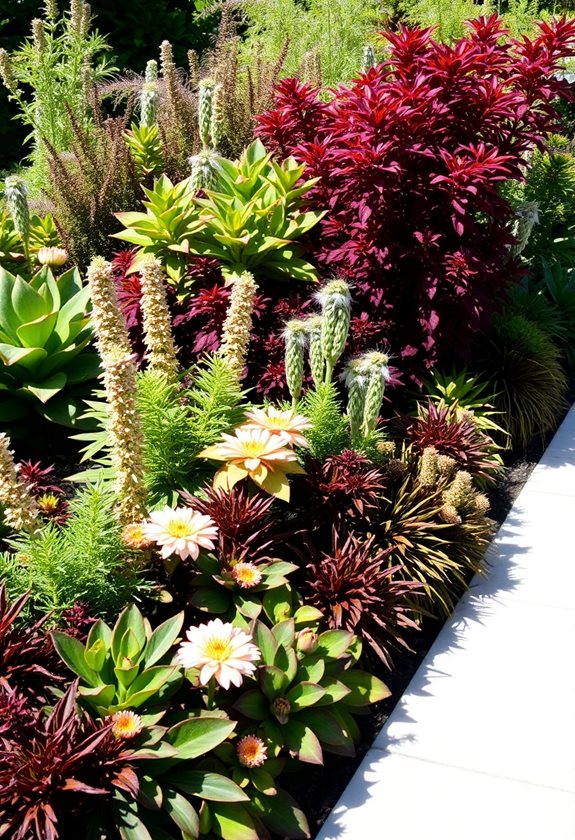
While you’re dreaming up your perfect garden, don’t forget to contemplate how the seasons will change your landscape and the maintenance each plant will require. Are you ready to embrace the seasonal shifts? Some plants thrive in summer but wilt in winter, so consider their needs!
- Spring blooms might need regular pruning.
- Fall favorites often require mulching for winter protection.
Think about how much time you can dedicate to upkeep. Remember, a low-maintenance garden can still be vibrant! Low-maintenance plants can provide a lush landscape with minimal effort. Will you enjoy a garden that changes with the seasons, or prefer a more stable view? Let’s find what suits you best!
Frequently Asked Questions
How Do I Choose a Focal Point in My Garden?
Choosing a focal point in your garden can be both exciting and a bit tricky! You want something that grabs attention, right? Consider these ideas:
- A striking statue or birdbath can add charm.
- A vibrant flowerbed or a unique tree works wonders too!
You might even use a comfy bench for relaxation—who doesn’t love a cozy spot? Just think about what makes you smile when you step outside. Happy gardening!
What Are the Best Companion Plants for Layering?
Did you know that companion planting can boost your garden’s yield by up to 20%? When layering plants, think of pairing tall sunflowers with low-growing herbs like basil or thyme. They not only look good together but also help deter pests! You might want to try marigolds alongside veggies, too, as they attract beneficial insects. Have fun experimenting with these combinations—your garden will thrive, and you’ll enjoy the vibrant results!
How Do I Create a Cohesive Color Palette?
Creating a cohesive color palette for your garden can feel like an art project! Start by choosing a few key colors you love—maybe soft blues or vibrant reds. Consider these tips:
- Use the Color Wheel: Complementary colors can really pop together!
- Mix Textures: Different leaf shapes add visual interest.
- Balance: Don’t overwhelm with too many colors; aim for harmony.
Can I Layer Edible Plants With Ornamental Ones?
Absolutely, you can layer edible plants with ornamental ones! Think about vibrant veggies like purple basil or red chard—perfect for adding visual interest. Just make sure you consider their sun and water needs, so they thrive together. Plus, it’s fun to mix colors and textures! Have you ever tried a beautiful arrangement of marigolds with tomatoes? It’s like a garden party! Layering not only looks great, but it also helps deter pests. Happy gardening!
What Tools Do I Need for Layering Plants Effectively?
You don’t need a magic wand to layer plants effectively, just a few handy tools! Grab a trowel for digging, pruners for shaping, and a sturdy pair of gloves to protect your hands. A garden fork’s great for aerating soil, while a watering can guarantees your plants stay hydrated. You’ll also want a ruler or measuring tape to keep things neat! What’s more satisfying than creating a vibrant, layered garden? Let’s dig in!