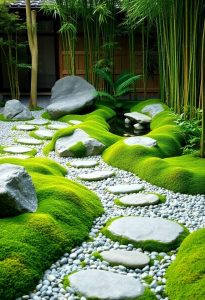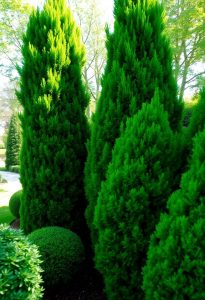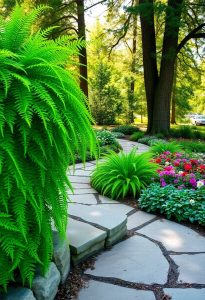
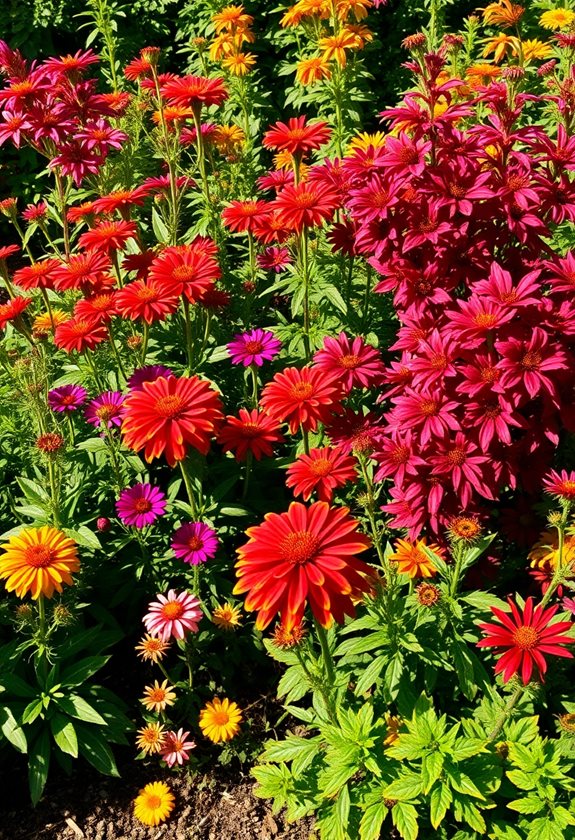
Creating seasonal interest in your garden is easier than you think! First, mix vibrant flowers and foliage; think tulips in spring, sunflowers in summer, and vivid chrysanthemums in the fall. Next, layer in textured leaves—hostas and ferns can add depth and charm. Finally, plan for blooms throughout the year to keep your space lively! Trust me, the right combo can make your garden the envy of the neighborhood. Want to know more tips to keep your garden thriving?
Design Highlights
- Choose a mix of perennials and annuals to ensure vibrant colors and textures throughout different seasons.
- Plan for seasonal blooms by incorporating flowers like tulips, sunflowers, and chrysanthemums to maintain year-round interest.
- Use a variety of foliage, such as hostas and ferns, to add structure and texture while complementing floral displays.
- Incorporate plants that thrive in your local climate for resilience and consistent seasonal performance.
- Create layers in planting to enhance visual depth and protect delicate flowers from harsh weather conditions.
Choose a Variety of Plants for Year-Round Color
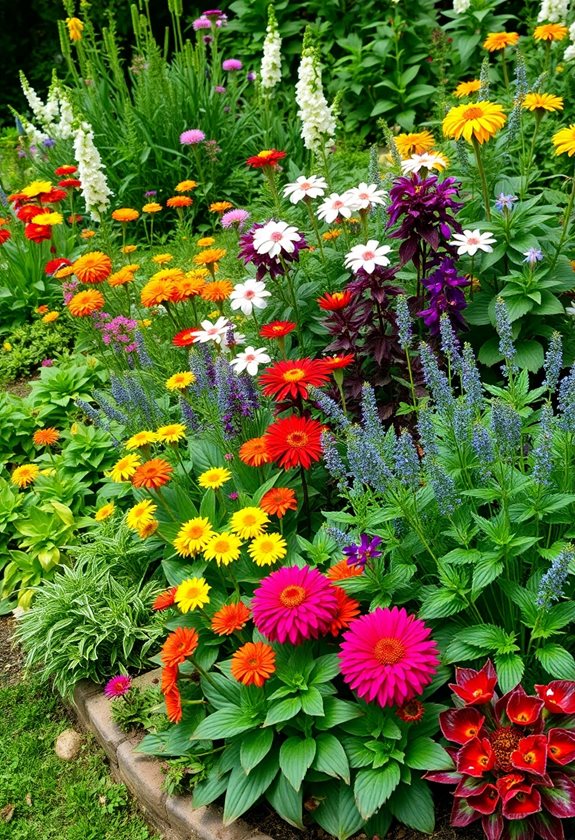
When it comes to creating a stunning garden that shines all year long, choosing a variety of plants is key! Think about mixing perennials and annuals for vibrant colors and textures. Have you tried planting tulips for spring, followed by sunflowers in summer, and chrysanthemums in fall? You’ll love how each season brings something new! To keep it safe, opt for non-toxic plants, especially if you’ve got pets or kids around. Consider these favorites:
- Lavender for fragrance
- Marigolds for pest control
- Hostas for shady spots
Incorporating vibrant plants will ensure that your garden remains colorful and lively throughout the seasons. With a bit of planning, your garden can be a year-round delight!
Incorporate Foliage for Texture and Structure
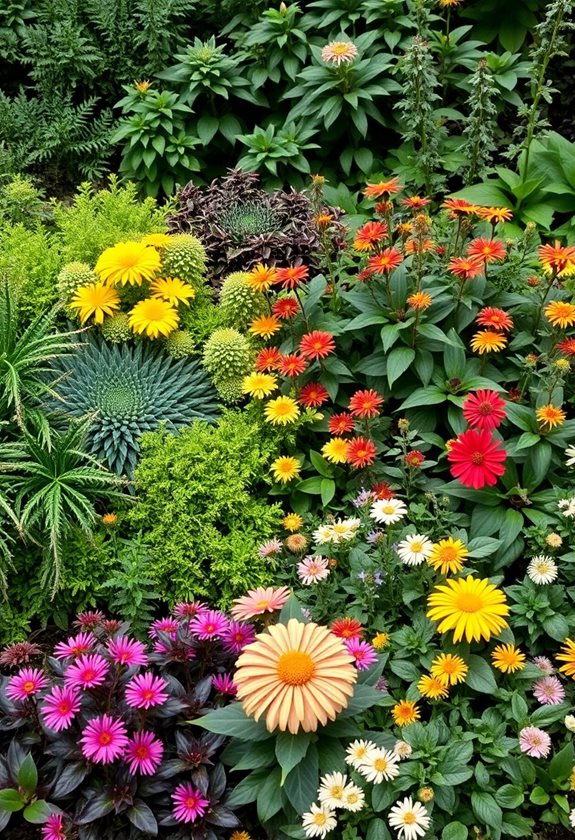
While you might think flowers steal the show in a garden, incorporating foliage can actually bring a whole new level of texture and structure to your outdoor space! Think about it—lush greens can create depth and interest. You could try:
- Hostas for their large leaves, perfect for filling empty spots.
- Ferns that add a delicate touch and thrive in shady areas.
- Evergreens that provide year-round structure.
Mixing different shapes and colors keeps your garden vibrant and engaging. Plus, it’s safer—strong foliage can shield delicate flowers from harsh winds. Additionally, using perennial plants ensures that you have a variety of options that will flourish season after season. So, why not give your garden a leafy makeover? You’ll love it!
Plan for Seasonal Blooms and Focal Points
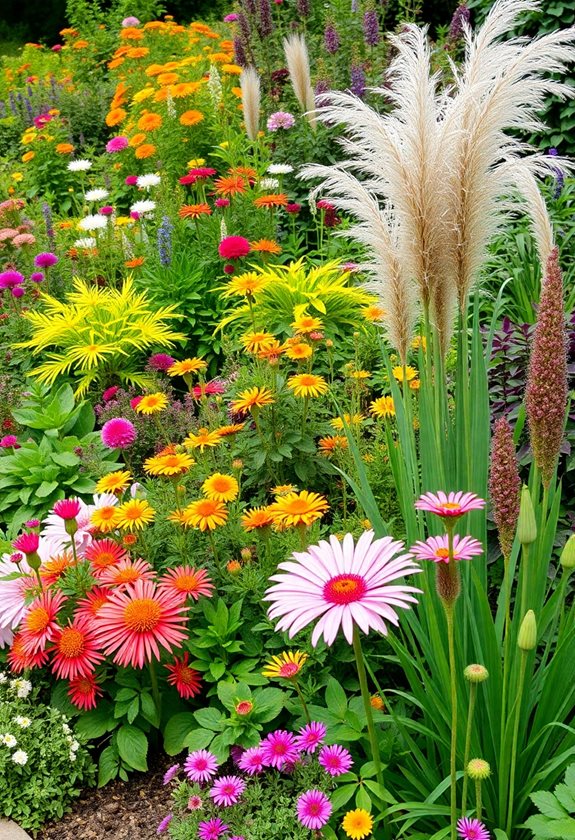
Creating a garden that blooms with color throughout the seasons can seem like a challenging task, but it doesn’t have to be! Start by planning your seasonal blooms. Think about flowers like tulips in spring, sunflowers in summer, and chrysanthemums in fall. You’ll want focal points, too! Consider adding a striking tree or a colorful bench.
– Tip: Choose a mix of perennials and annuals for continuous interest.
Have you thought about planting in layers? It adds depth and safety for those busy bees! Remember, gardening’s a journey—enjoy the process, and don’t forget to smile at your hard work! Additionally, to ensure your garden remains vibrant, consider following seasonal planting tips that guide you through the best times to plant various species.
Frequently Asked Questions
How Do I Choose the Right Colors for My Garden Design?
Choosing the right colors for your garden design can be super fun! Start by thinking about what mood you want to create. Do you want a calm space with blues and greens? Or maybe a vibrant, energetic feel with reds and yellows? Consider how the colors interact with each other and the surrounding environment. And don’t forget seasonal changes! Mixing colors can make your garden pop all year round. What colors excite you?
What Are the Best Plants for Attracting Pollinators?
Did you know that nearly 75% of the world’s food crops depend on pollinators? To attract these buzzing buddies, plant some bright and fragrant flowers like lavender, sunflowers, and coneflowers. They’re not just pretty; they’re like a dinner bell for bees and butterflies! Make sure you avoid pesticides that can harm them. Creating a pollinator-friendly garden can be a fun adventure—plus, you’ll enjoy the beauty and activity right in your backyard!
How Do I Maintain Seasonal Plants Throughout the Year?
To maintain seasonal plants year-round, you’ll want to regularly check their needs! Make sure you water them properly, considering the changing weather. Pruning can help too—who knew snipping could be so beneficial? Fertilizing during the growing season keeps them happy, and don’t forget about mulching for insulation! Ever thought about rotating plants? It’s a fun way to keep your garden fresh. So, what are you waiting for? Let’s get gardening together!
Can I Grow Seasonal Plants in Containers?
Absolutely, you can grow seasonal plants in containers! It’s a delightful way to add color and charm to your space. Just pick the right pots with drainage holes, and make certain you use quality potting soil. Consider plants like petunias or herbs that thrive in smaller spaces. Have you thought about mixing flowers with greens? It creates a stunning display! Plus, you can easily move them around to chase the sun. Happy planting!
What Tools Do I Need for Seasonal Garden Maintenance?
To keep your seasonal garden thriving, you’ll need a few essential tools. A good pair of gloves protects your hands, while pruning shears help shape your plants. Don’t forget a sturdy trowel for digging and transplanting! A watering can or hose is crucial, too. Ever tried gardening without a kneeling pad? Trust me, your knees will thank you! With the right tools, you’ll make gardening a joy, not a chore! What’s stopping you?