Troubleshooting water feature problems can feel like a fun puzzle! Start by checking your fountain’s power source—it’s easy to overlook. If your pond water’s murky, clear out debris and consider adding beneficial bacteria to help. For waterfalls, make certain there are no clogs and that the water level’s just right. Keep an eye on those pesky algae; a UV sterilizer or some aquatic plants can save the day! Want to master your garden oasis? There’s more to explore!
Design Highlights
- Check the power source and ensure all connections are secure and functioning.
- Inspect for clogs in pumps or tubing and clean them to restore flow.
- Ensure the water level is adequate for optimal performance of features.
- Regularly remove debris and monitor water clarity to prevent algae growth.
- Test water quality and adjust pH levels to maintain a balanced ecosystem.
Identifying and Fixing Fountain Issues
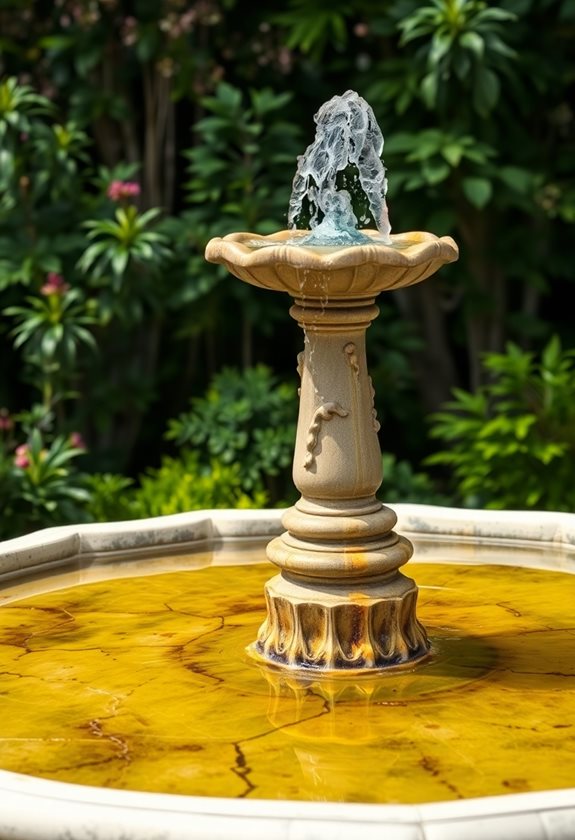
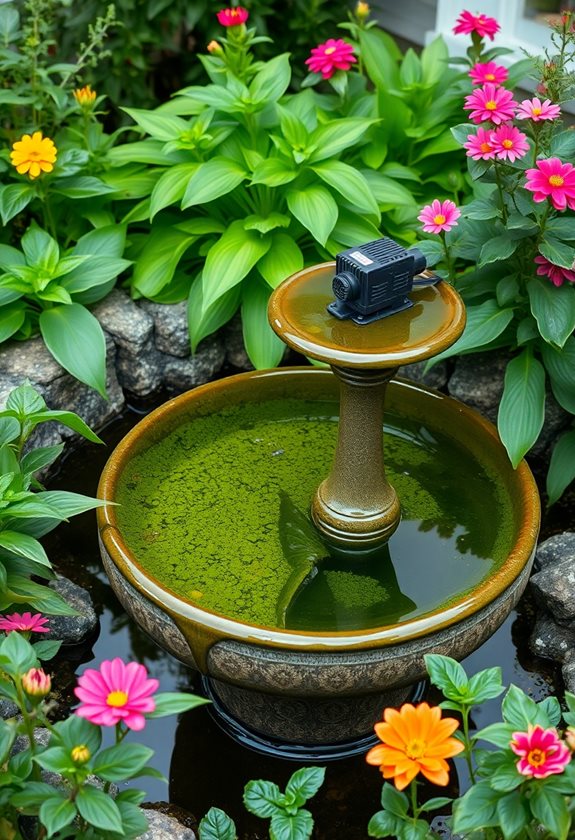
Have you ever gazed at your fountain, only to find it sputtering like a shy kid at a talent show? Don’t panic! Identifying and fixing fountain issues can be simple. First, check the power source—make sure it’s plugged in. Next, look for clogs in the pump or tubing; a quick clean can work wonders. If the water level’s low, just top it off! Finally, watch for leaks—these can sneak up on you. Keeping your fountain running smoothly means more peaceful moments in your garden. To prevent unsightly growth, consider using algae prevention products to maintain the water’s clarity. So roll up your sleeves, enjoy the process, and bring that fountain back to life!
Dealing With Murky Pond Water
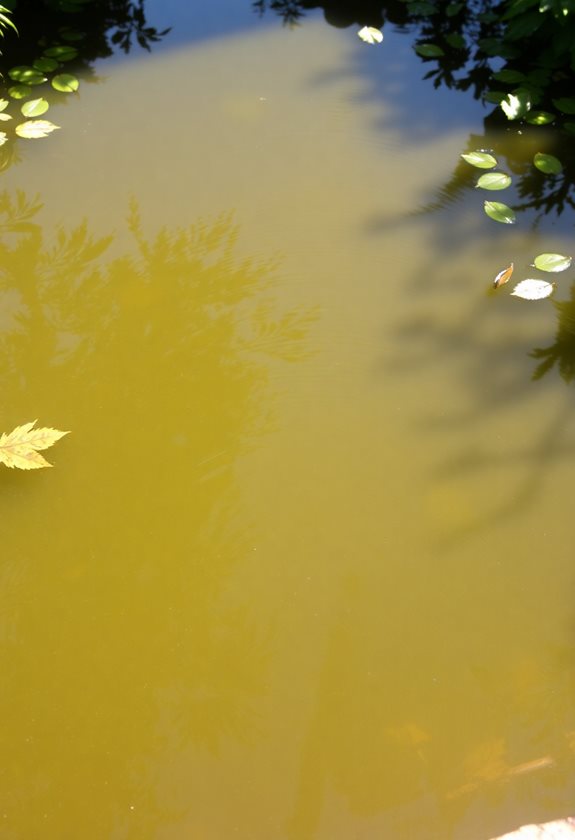
If your fountain’s been giving you grief, you might find yourself staring at your pond, wondering why it looks more like a swamp than a serene oasis. Murky water can be frustrating, but don’t worry! First, check for debris and remove any fallen leaves or algae. Next, consider adding beneficial bacteria to help break down organic matter. Aeration is key, so think about installing a fountain or a pump to keep the water moving. Additionally, choosing the right fish for your pond can also improve water clarity and maintain a balanced ecosystem, so consider selecting the perfect fish to enhance your pond’s health. And hey, don’t forget to monitor your fish—healthy fish equal a healthy pond! With a little effort, you’ll be back to enjoying your beautiful water feature in no time!
Troubleshooting Waterfall Flow Problems
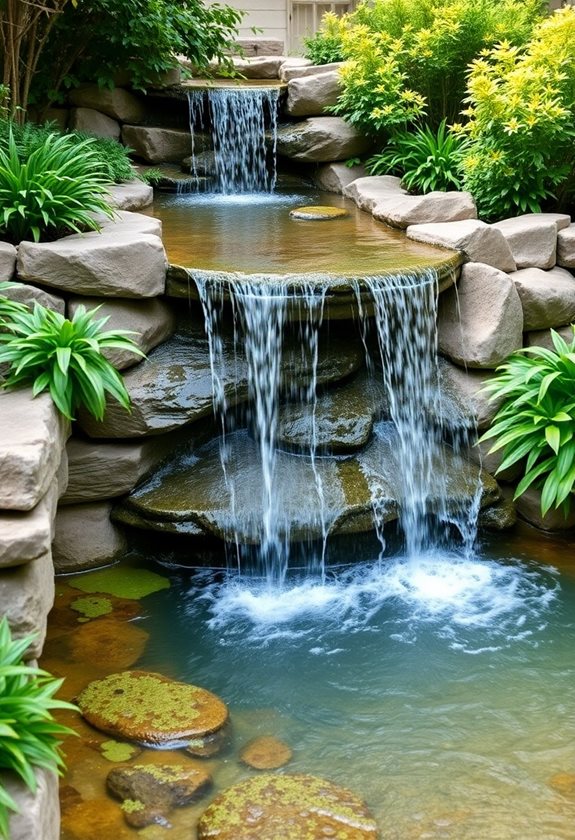
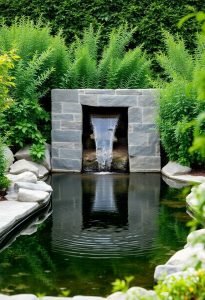
When you notice your waterfall trickling less than it should, it can feel like you’re watching a sad, drippy faucet instead of a stunning feature in your garden. First, check for clogs—leaves or debris can block the flow. Have you cleaned your pump lately? A dirty pump can really slow things down! Make sure the water level’s adequate, too; low levels can cause issues. Finally, inspect the water tubing for any kinks or leaks. Incorporating water features can enhance your garden’s aesthetic and sound. Don’t let a sluggish waterfall bring down your garden’s vibe! With a little TLC, you’ll have that beautiful flow back in no time!
Maintaining Water Clarity and Quality
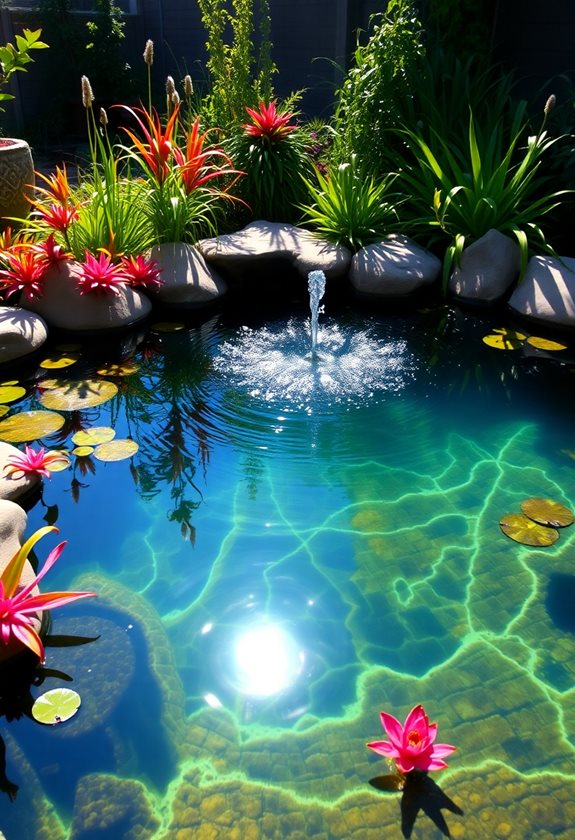
While it might seem like maintaining crystal-clear water is just a minor detail, it actually plays a huge role in the overall health and beauty of your water feature. You wouldn’t want murky water ruining your backyard paradise, right? To keep your water clear, regularly check your filters and clean them as needed. Skim off debris with a net, and consider adding beneficial bacteria to balance the ecosystem. If you notice a cloudiness, test your water’s pH levels and adjust accordingly. Additionally, using easy maintenance tips can help simplify the upkeep of your water feature. A little effort today keeps your oasis sparkling tomorrow! Isn’t it worth the peace of mind and enjoyment?
Preventing Algae Growth in Water Features
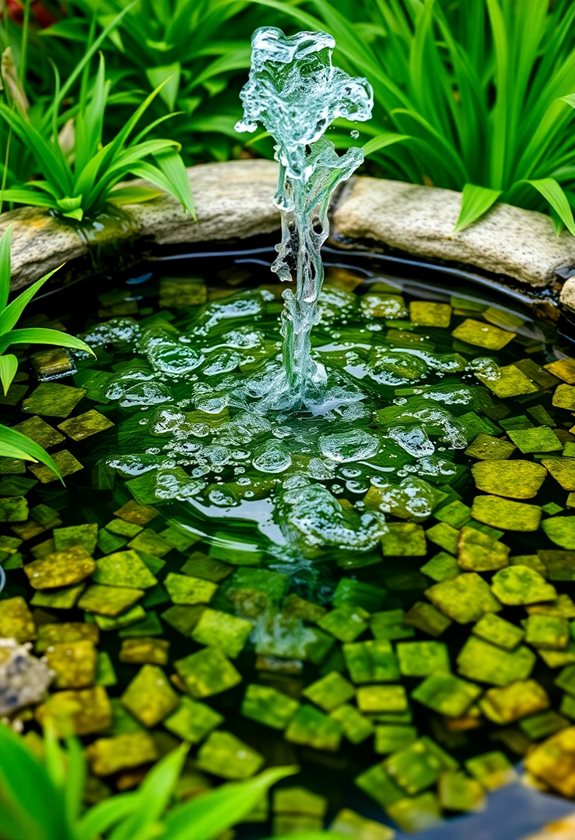
Although keeping your water feature beautiful can feel like a never-ending battle, preventing algae growth doesn’t have to be an intimidating task. Start by ensuring your water’s well-circulated and filtered—think of it as giving your pond a revitalizing spa day! You can also add aquatic plants, which naturally compete with algae for nutrients. Regularly removing debris and excess nutrients helps too. Have you tried using a UV sterilizer? It’s like a superhero for your water! Additionally, incorporating tranquil water features into your garden can enhance the overall ecosystem, fostering a healthier environment for your water feature. Just remember to enjoy the process; every little step makes a difference. Happy gardening, and may your water feature thrive!
Frequently Asked Questions
How Often Should I Clean My Water Feature?
You should clean your water feature every few weeks to keep it looking its best! Think about it—who wants to gaze at murky water? Here’s a quick guide:
- Remove debris: Leaves and dirt can build up.
- Check the pump: Make sure it’s clear and functioning well.
- Change water: Refresh it to prevent algae growth.
Regular upkeep not only enhances beauty but also keeps your garden safe and healthy. Happy gardening!
Can Fish Live in a Fountain?
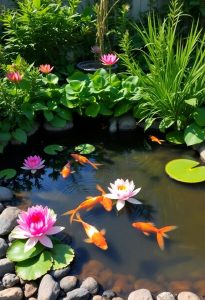
Imagine a serene oasis, where fish glide like living jewels in your fountain. While it sounds enchanting, fish can struggle in most fountains due to limited space and water quality. If you’re set on having fish, consider a larger feature with proper filtration. You’ll need to guarantee it’s deep enough for them to thrive and safe from predators. Isn’t it fun to dream big? Just remember, a healthy habitat is key!
What Plants Are Best for My Pond?
Choosing plants for your pond can be super exciting! You’ll want to focus on water lilies, which provide shade and shelter, or cattails, great for attracting wildlife. Consider adding some floating plants like water hyacinth; they’re not just pretty, but they help keep the water clean! Just remember to avoid invasive species. What plants do you love? Picture how vibrant your pond will look with these additions—it’s going to be stunning!
How Do I Winterize My Water Feature?
Winterizing your water feature might seem intimidating, but it’s essential for keeping everything safe and sound. You don’t want any surprises come spring! Start by removing any fish or plants to a safe spot, then clean out debris. Drain the water to prevent freezing, and consider using a pond heater if you have fish. Finally, cover your pond with a tarp or net to keep it protected. Isn’t that easier than it sounds?
Are There Any Natural Treatments for Water Problems?
Natural treatments can work wonders for your water problems. Have you tried adding barley straw? It helps control algae growth! You might also consider using beneficial bacteria, which break down organic matter. Plus, introducing some native aquatic plants can enhance your water’s ecosystem. They’re not just pretty; they help filter the water too! Isn’t it amazing how nature provides solutions? Give these a shot, and watch your garden thrive!