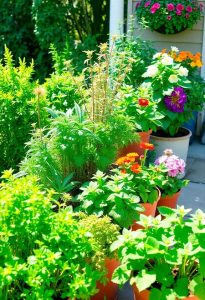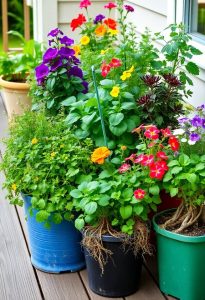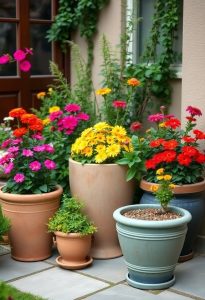
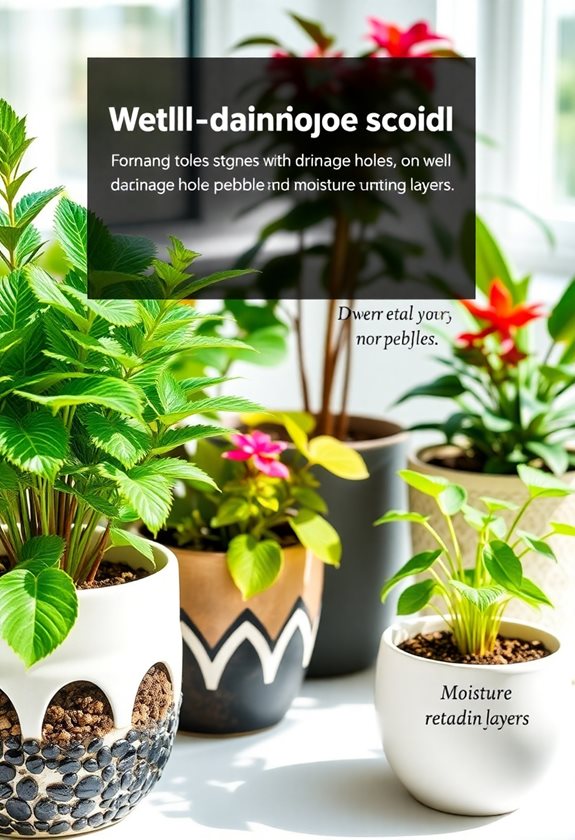
To improve drainage in your potted plants, you need to start with the right potting mix that holds moisture yet drains well. Use containers with multiple drainage holes, and add small stones or perlite at the bottom for extra drainage. Monitor your watering habits—if leaves droop, your plants might be thirsty! Elevating your pots can also help with air circulation. Curious to discover more ways to keep your plants happy and healthy?
Design Highlights
- Choose a well-balanced potting mix with organic matter and drainage enhancers like perlite to prevent water retention issues.
- Select containers with adequate drainage holes to avoid water accumulation and root rot.
- Add a drainage layer of small stones or broken terracotta at the bottom of pots for improved water flow.
- Regularly monitor soil moisture levels and adjust watering practices to prevent overwatering or underwatering.
- Elevate pots using feet or blocks to enhance drainage and air circulation, reducing the risk of water pooling.
Choose the Right Potting Mix
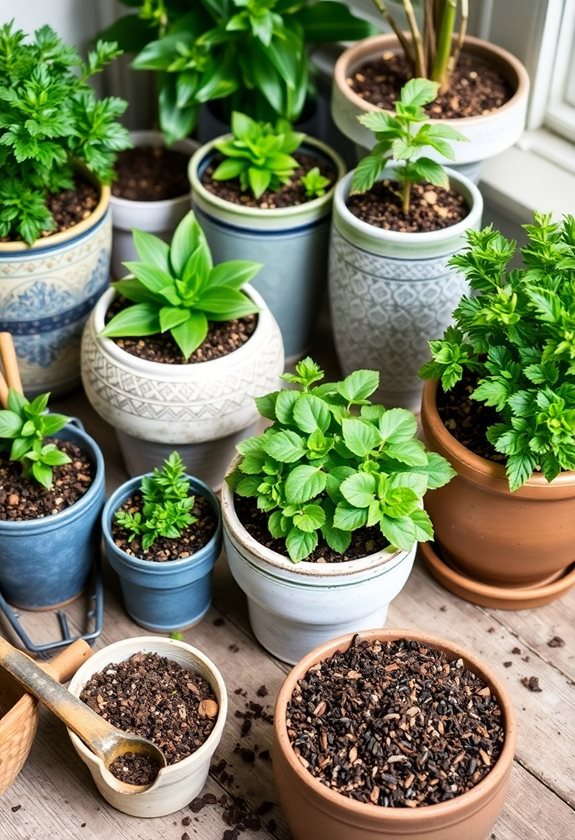
When it comes to creating a thriving indoor garden, the potting mix you choose can make all the difference—think of it as the foundation of your plant’s home! You want to select a mix that balances moisture retention and drainage. Look for options with organic matter like peat moss or coconut coir, which hold water but still allow air to reach roots. Toss in some perlite or vermiculite for extra drainage! Have you ever overwatered a plant? It’s frustrating! Choosing the right mix can prevent such mishaps. Remember, happy plants start with a safe, well-balanced potting mix! Additionally, using the best soil for container gardening vegetables can enhance the overall health of your plants.
Select Containers With Proper Drainage Holes
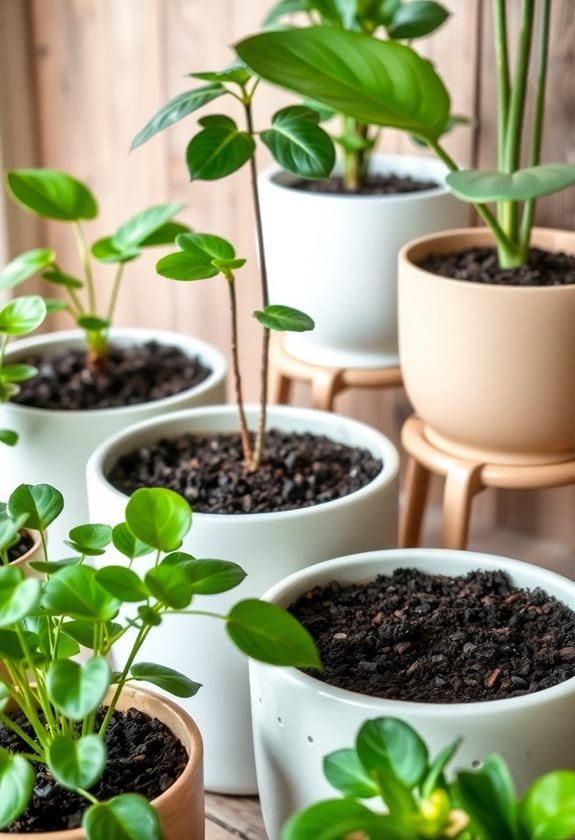
Choosing containers with proper drainage holes is essential if you want to keep your potted plants happy and healthy! Without these holes, your plants might drown in excess water—yikes! When selecting pots, look for ones with multiple drainage holes at the bottom. This allows water to escape easily, preventing soggy soil. Remember, a pot that’s too deep can also hold too much water, so consider the depth too! Plus, you want to avoid root rot, which can be devastating. So, why risk it? Invest in the right containers, and your plants will thank you with vibrant growth! Additionally, consider containers made from durable materials that help ensure long-term stability and performance.
Add Drainage Materials at the Bottom
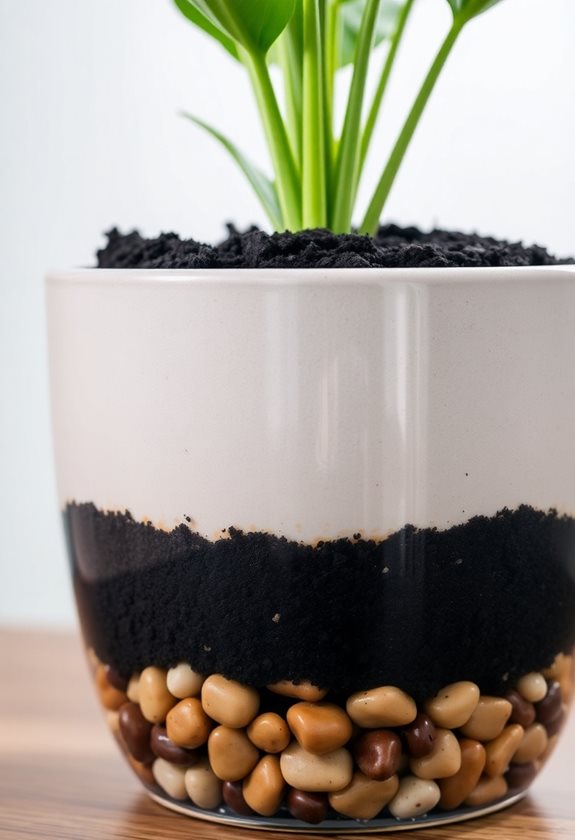
To guarantee your potted plants thrive, adding drainage materials at the bottom of your pots is a must! Think about it: wouldn’t you want your plant roots to breathe? Start with materials like small stones, perlite, or even broken terracotta pots. Just a couple of inches will do the trick! These materials create a drainage layer, preventing water from pooling at the bottom. Plus, they help aerate the soil, which is super important for healthy roots. Using an organic potting mix can further enhance drainage and provide essential nutrients. So, why not give your plants the best chance? Your green thumbs will thank you, and those plants will flourish! Happy gardening!
Monitor Watering Practices
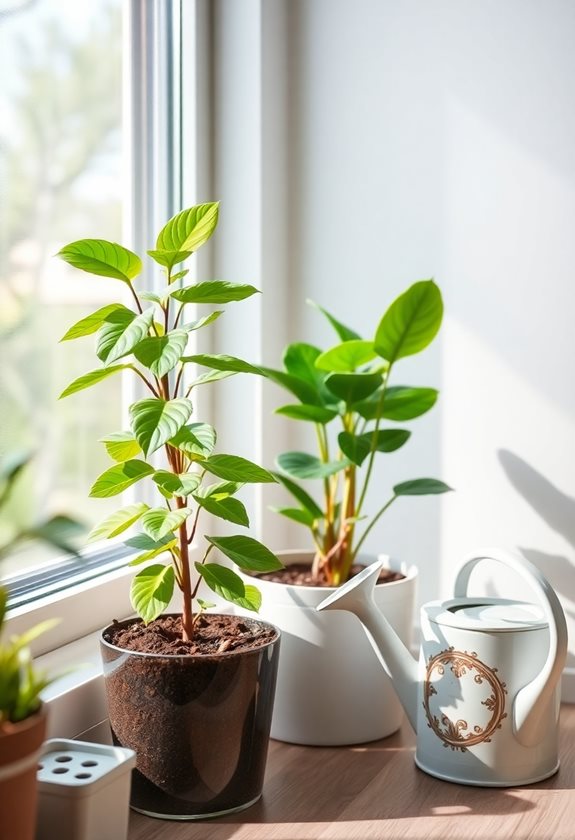
While it might seem easy to just water your plants on autopilot, keeping a close eye on your watering practices is vital for their health. Overwatering can lead to root rot, while underwatering causes stress. Here are three tips to help you monitor your watering:
- Check the Soil: Stick your finger an inch into the soil—if it feels dry, it’s time to water!
- Observe the Leaves: Droopy or yellow leaves? They might be thirsty!
- Use a Watering Schedule: Set reminders to guarantee consistency. Additionally, consider using companion planting strategies to enhance the overall health of your potted plants and improve their resilience against stressors.
Consider Elevating Your Pots
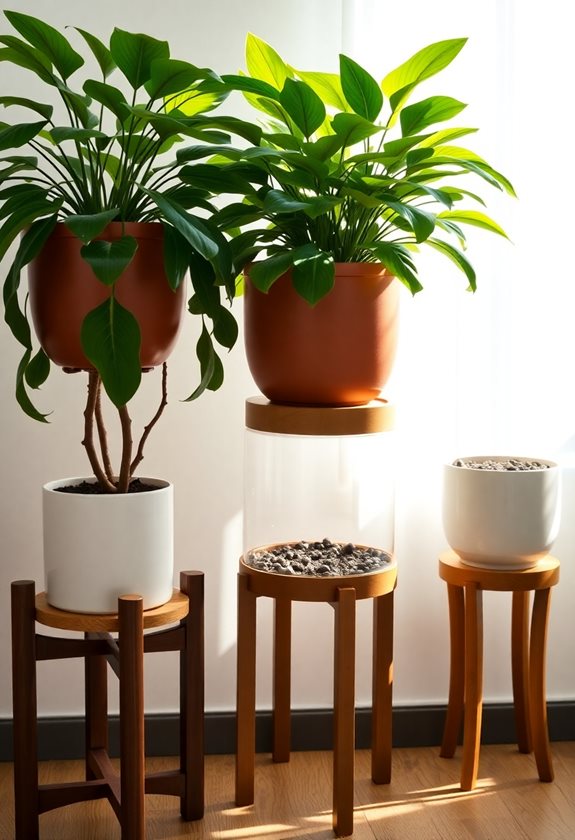
Have you ever thought about how elevating your pots could make a world of difference for your plants? Raising them off the ground allows for better air circulation and drainage, which is essential for healthy roots. You can use pot feet, bricks, or even wooden blocks. Just imagine those roots getting the oxygen they crave! Plus, elevating your pots can help prevent water from pooling and protect them from pests. So why not give it a try? Your plants will thank you, and you might discover a new favorite gardening hack along the way—who knew elevating could be this life-changing? Additionally, proper drainage is crucial for plant health as it helps prevent root rot and promotes vigorous growth.
Frequently Asked Questions
How Often Should I Repot My Potted Plants?
Did you know that most potted plants thrive best when repotted every 12-18 months? You’ll want to keep an eye on your plant’s roots and size. If roots are swirling, it’s time for a new pot! Here’s a simple guide: check annually, and if you notice slow growth or yellowing leaves, it’s probably time. Think of repotting as a cozy upgrade for your plant—it’s like moving into a better apartment!
Can I Use Regular Garden Soil for Potted Plants?
You might be tempted to use regular garden soil for your potted plants, but it’s not the best idea! Garden soil can compact and hinder drainage, leaving your plants soggy and sad. Instead, try a potting mix specifically designed for containers. It’s lighter and helps with airflow. Plus, it usually contains nutrients your plants crave! Have you ever seen a happy plant? It’s a joy! So, let’s keep those roots smiling!
What Plants Thrive Best in Well-Drained Conditions?
They say, “Where there’s a will, there’s a way,” and that’s certainly true for plants! If you want your garden to flourish, consider these well-drained favorites: succulents, lavender, and herbs like rosemary. These guys thrive on dry conditions and don’t mind a little neglect! Just make sure your pots have drainage holes, so they don’t drown. It’s like giving them a vacation—who doesn’t love a little sunshine and fresh air? Happy planting!
How Do I Know if My Plant Is Overwatered?
If you suspect your plant’s overwatered, look for signs like yellowing leaves, wilting despite moist soil, or a musty smell—yikes! You can also check for root rot by gently pulling the plant from its pot; if the roots are mushy, it’s time to ease up on watering. Ask yourself, “Am I giving it too much love?” Remember, a little dryness can be just what your plant needs to thrive!
Should I Fertilize My Potted Plants During Winter?
So, you’re thinking about fertilizing your potted plants in winter? Well, unless you want to treat them like they’re on a holiday diet, it’s best to hold off! Plants usually slow down their growth during the colder months, and adding fertilizer might just confuse them. Instead, focus on keeping them cozy and hydrated. Think of it as a winter break for your green buddies—no homework, just relaxation! Happy gardening!