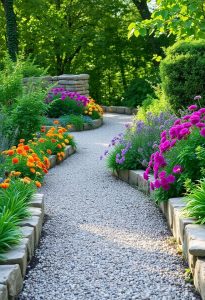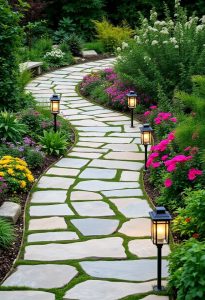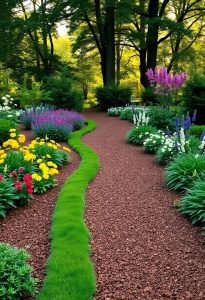
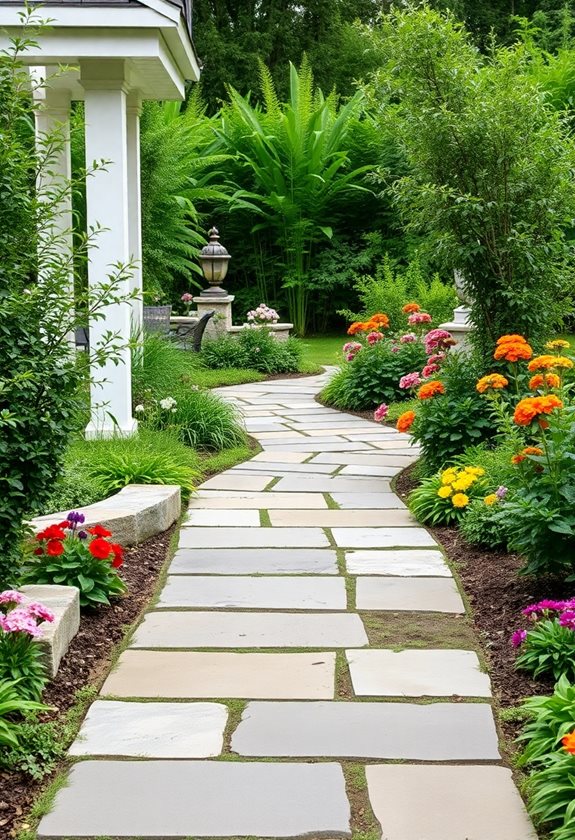
Choosing eco-friendly materials for your garden walkways isn’t just smart—it’s a chance to be a hero for the planet! Think about all the benefits: you’ll support local wildlife, enhance drainage to avoid muddy messes, and create stunning designs. Plus, many options, like reclaimed wood or permeable pavers, are cost-effective and stylish. Who doesn’t love saving money while making their garden look good? Let’s explore how picking the right materials can transform your outdoor space!
Design Highlights
- Eco-friendly materials promote sustainability, reducing environmental impact and supporting a healthier ecosystem in your garden.
- Permeable options like recycled pavers and gravel enhance drainage, preventing puddles and erosion while improving soil health.
- Using reclaimed wood or natural stone provides durability and unique aesthetics, adding charm to your garden walkways.
- Eco-friendly materials support local wildlife by creating safe habitats and encouraging biodiversity in your outdoor space.
- Investing in sustainable materials can be cost-effective long-term, often requiring less maintenance and reducing drainage expenses.
The Environmental Benefits of Eco-Friendly Materials
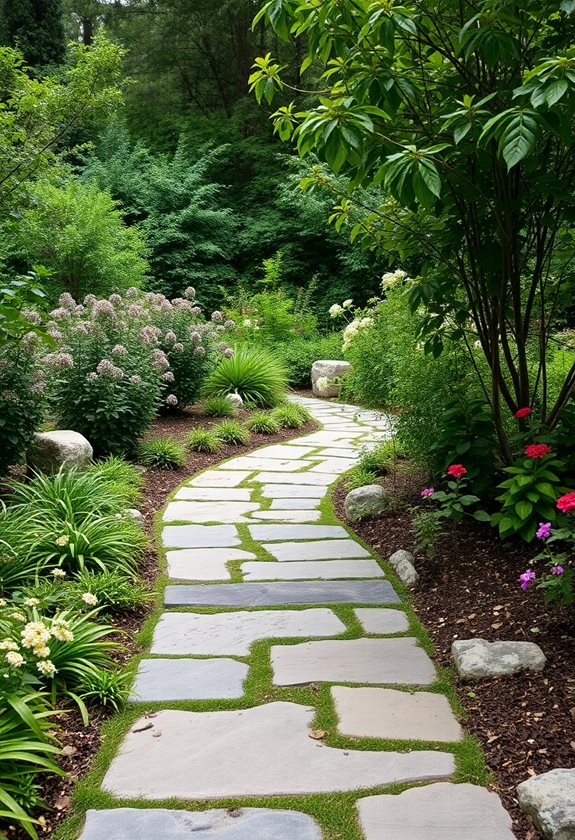
When you think about creating a beautiful garden walkway, have you ever considered how the materials you choose can impact the environment? Choosing eco-friendly materials isn’t just trendy; it’s a step towards sustainability! Imagine using recycled stones or permeable pavers that let rainwater seep through. Not only do these options help reduce runoff, but they also promote healthier soil. Plus, they can lower your carbon footprint. Who doesn’t want a guilt-free garden? So, why not create a walkway that’s not just pretty, but also kind to our planet? It’s a win-win, right? Your garden—and Mother Earth—will thank you! Additionally, using eco-friendly materials can enhance biodiversity in your garden by providing habitats for local wildlife.
Popular Sustainable Materials for Walkways
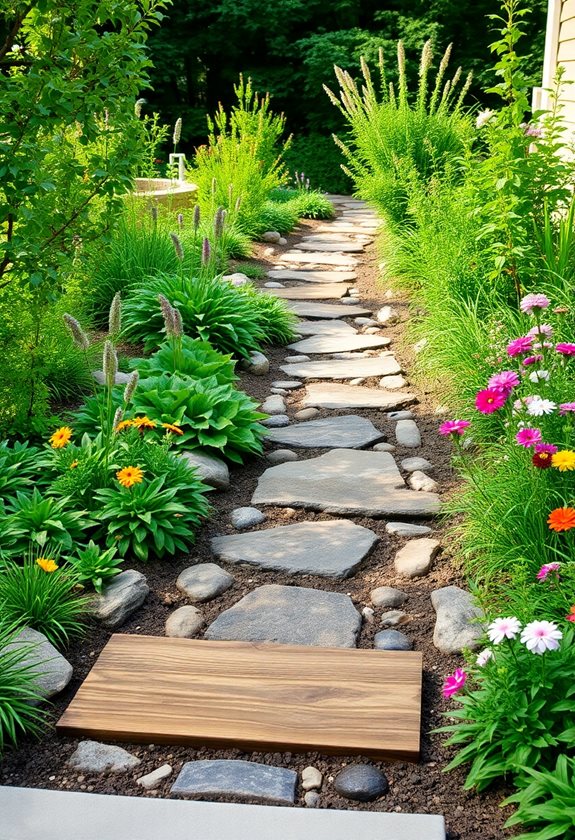
Creating a walkway that’s both stunning and sustainable is easier than you might think! Consider using materials like:
Designing a beautiful and eco-friendly walkway is simple with the right materials!
- Reclaimed wood: It’s durable and adds a rustic charm.
- Natural stone: Each piece is unique, and it’s slip-resistant!
- Bamboo: Fast-growing and strong, it’s perfect for an eco-friendly touch.
- Recycled rubber: Soft underfoot and prevents slips, making it great for safety.
When I built my own walkway, I was amazed at how much character these materials brought! Plus, they’re safer for the environment. Using sustainable pathways not only enhances your garden’s aesthetic but also contributes positively to the planet. Why not choose materials that keep your garden beautiful and safe? You won’t regret it!
Enhancing Drainage With Permeable Options
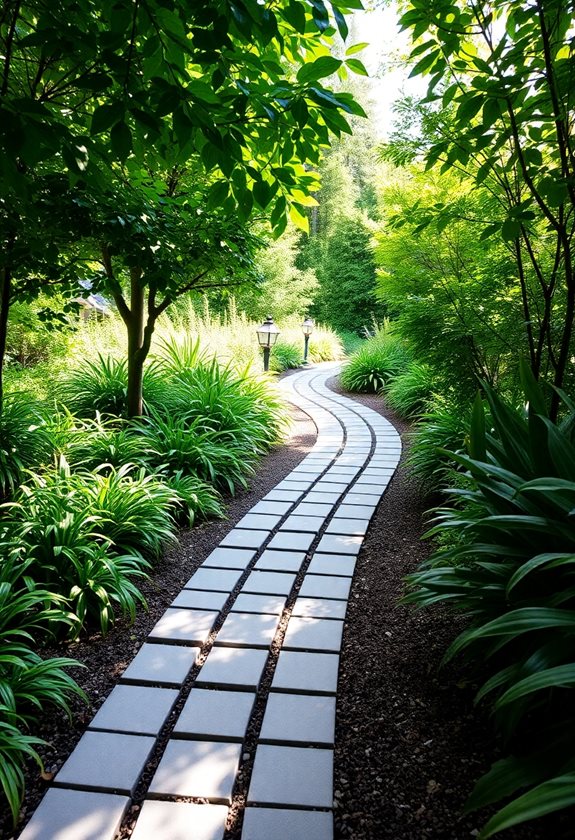
You might have noticed that even the most beautiful walkway can turn into a mini lake after a heavy rain. To keep your garden safe and dry, consider using permeable materials for your path. These options allow water to seep through, preventing puddles and reducing erosion. Imagine walking on a stylish surface that also protects your plants!
Here are a few great choices:
- Gravel: It’s affordable and easy to install.
- Permeable pavers: They’re durable and come in various designs.
- Natural stone: Adds charm while enhancing drainage.
Additionally, using decorative stone pathways can enhance the visual appeal of your garden while providing practical drainage solutions. Choosing these materials means a safer, more sustainable garden for everyone!
Supporting Local Wildlife and Biodiversity
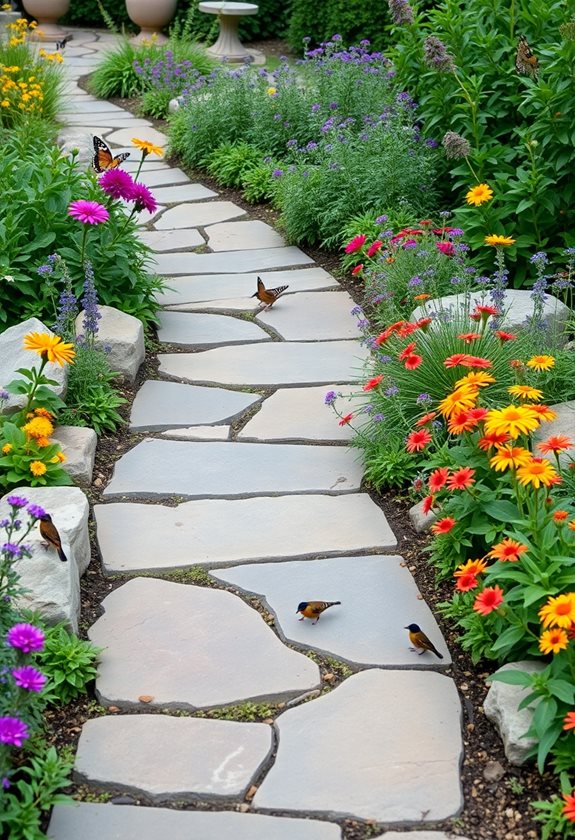
While it might seem challenging to balance a beautiful garden with the need to support local wildlife, it’s actually easier than you think! By choosing eco-friendly materials for your walkways, you can create safe spaces for creatures like bees and butterflies. Consider using gravel or wood chips instead of concrete—these materials promote biodiversity and allow water to flow naturally. Plus, they’re less slippery! When you plant native flowers nearby, you’ll attract even more wildlife. Additionally, using climate-friendly materials can further enhance your garden’s ecological benefits. Isn’t it great to know your garden can be a haven for animals? Let’s make our outdoor spaces vibrant and welcoming for our furry and feathered friends!
Aesthetic Appeal: Stylish Designs With Sustainability
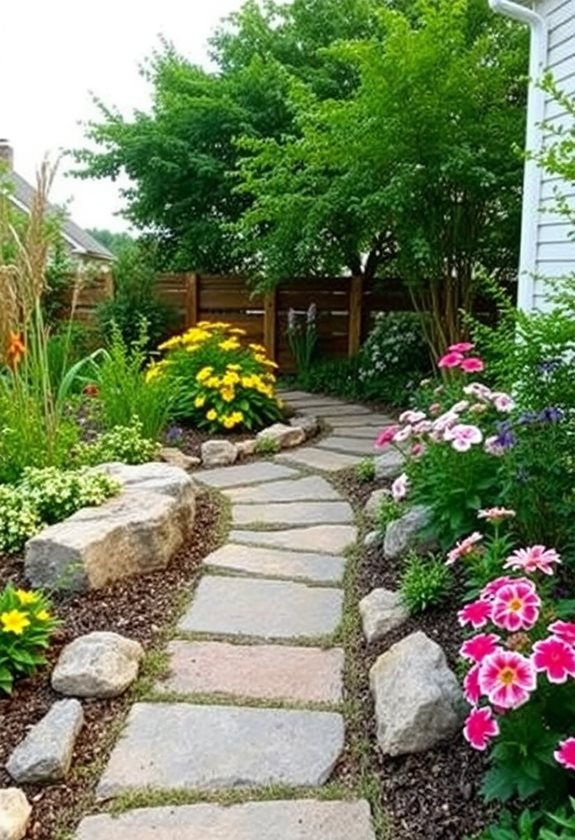
Imagine stepping onto a garden pathway that not only looks stunning but also tells a story of sustainability. You can create an inviting space using eco-friendly materials, which adds character and charm. Consider these stylish options:
- Reclaimed Wood: It’s rustic, unique, and eco-conscious.
- Natural Stone: Durable and blends beautifully with nature.
- Permeable Pavers: Helps with drainage and reduces runoff.
- Recycled Glass: Adds a colorful touch while being environmentally friendly.
These choices enhance your garden’s beauty while ensuring safety underfoot. Additionally, using upcycled garden decor projects can further promote sustainable practices in your outdoor space. So, why not make your pathway both a visual delight and a reflection of sustainable living?
Cost-Effectiveness of Eco-Friendly Choices
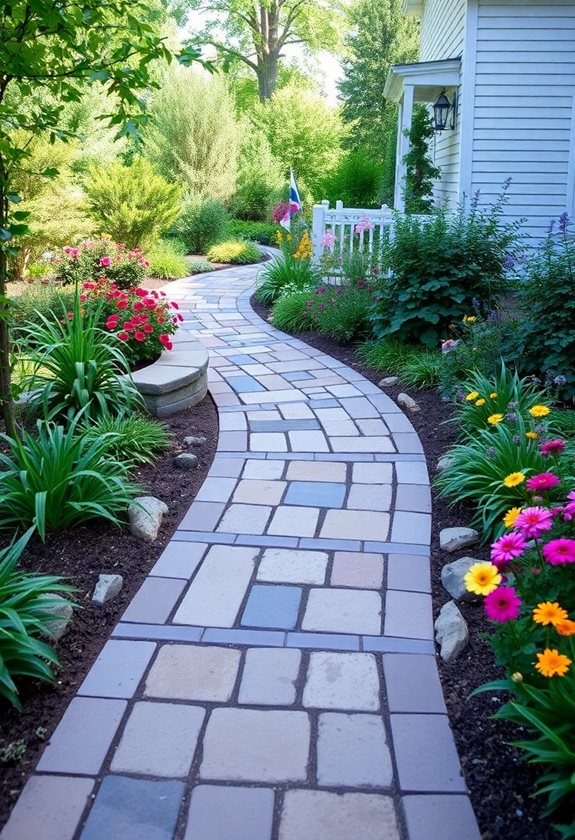
Choosing eco-friendly materials for your garden walkway not only benefits the environment but can also save you money in the long run. Think about it—recycled bricks or gravel can be cheaper than traditional options! Plus, they often require less maintenance. Who doesn’t love saving time and cash?
Here are some cost-effective choices:
- Reclaimed Wood: Stunning and often free from local sources.
- Permeable Pavers: Reduce water runoff and save on drainage costs.
Additionally, using sustainable materials can enhance the overall aesthetics of your garden, creating a beautiful winding path that invites visitors to explore. You’ll create a beautiful space and keep your wallet happy! Isn’t it great when your garden does double duty? You’ll love the results!
Maintenance and Longevity of Sustainable Pathways
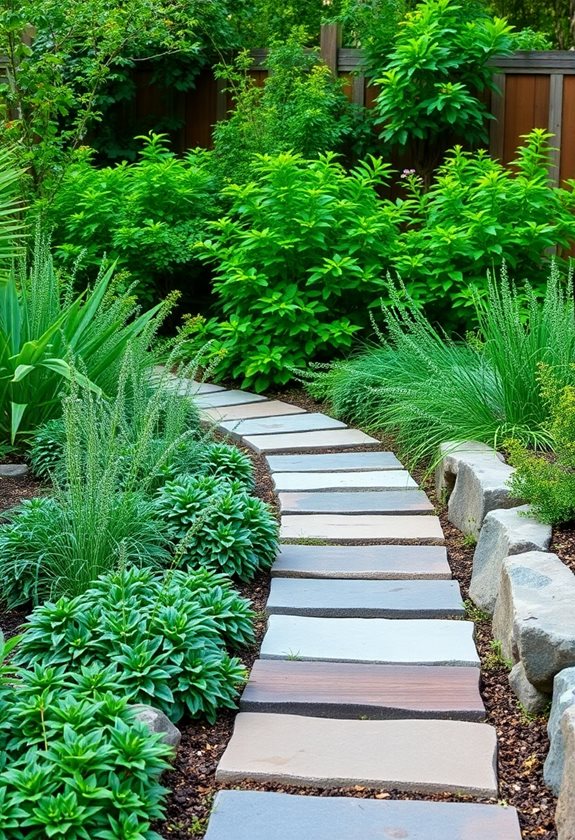
Even if you’re excited about your new sustainable garden pathway, you might wonder how much upkeep it’ll really need. The good news is, maintaining an eco-friendly walkway can be a breeze! Here are four simple tips to keep it safe and beautiful:
- Regularly remove debris and weeds to prevent slipping.
- Rinse off dirt and grime with a garden hose.
- Check for any loose stones or uneven surfaces to avoid tripping hazards.
- Apply a natural sealant every few years to enhance durability.
Additionally, using eco-friendly fencing options alongside your pathway can further enhance the sustainability of your garden.
With a little care, your pathway can last for years while you enjoy your stunning garden!
How to Choose the Right Materials for Your Garden
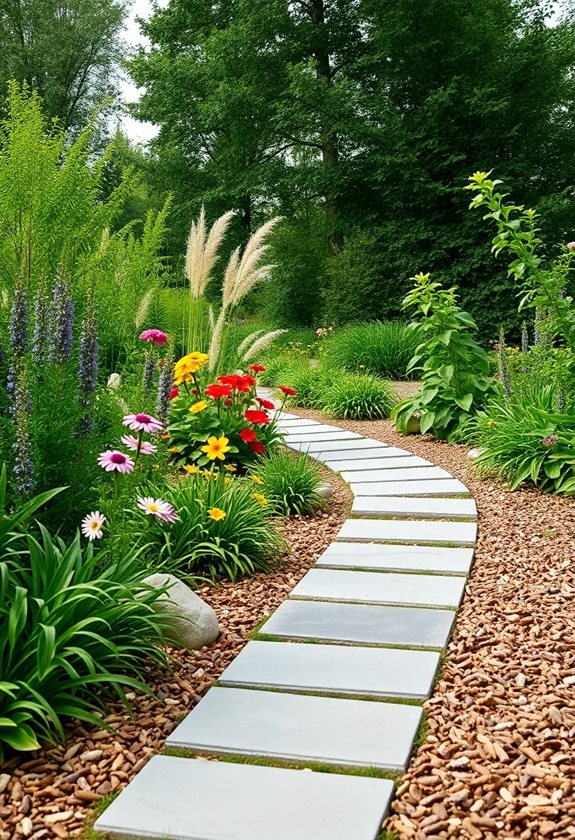
Have you ever stood in your garden, wondering which materials will not only look great but also stand the test of time? Choosing the right materials is essential for safety and aesthetics! Consider these options:
- Natural Stone: Durable and slip-resistant, it blends beautifully with nature.
- Recycled Rubber: Soft on your feet and eco-friendly, plus it reduces waste!
- Gravel: Affordable and easy to maintain, but be mindful of sharp edges.
Always think about your garden’s traffic and the safety of your loved ones. With the right materials, you’ll create a stunning walkway that’s both practical and inviting! Additionally, using eco-friendly options can enhance your garden’s sustainability and minimize your environmental impact.
Frequently Asked Questions
Can I Use Recycled Materials for Garden Walkways?
Absolutely, you can use recycled materials for your garden walkways! They’re not only eco-friendly but can also add unique charm. Think about old bricks, reclaimed wood, or crushed stone. Just guarantee they’re safe and sturdy—no one wants a tripping hazard, right? Plus, you might even find that perfect piece at a local salvage yard! So, why not get creative and give your garden a personal touch while being kind to the planet?
How Do Eco-Friendly Materials Affect Property Value?
Imagine walking through your garden, surrounded by lush greenery and a beautiful pathway. Eco-friendly materials can actually boost your property value! They show potential buyers you care about sustainability and the environment. Think about using materials like reclaimed wood or permeable pavers. Not only do they look great, but they also reduce runoff and promote healthy soil. Isn’t it exciting to think your choices can enhance both beauty and value?
Are There Any Certifications for Sustainable Walkway Materials?
There are several certifications for sustainable walkway materials that you should check out. Look for labels like FSC (Forest Stewardship Council) or Cradle to Cradle. These guarantee the materials are sourced responsibly. It’s like a badge of honor for eco-friendliness! Plus, using certified materials can enhance your garden’s beauty while keeping it safe and green. Isn’t that a win-win? You’ll feel proud knowing you’re making a positive impact!
What Are the Best Eco-Friendly Choices for Wet Climates?
If you’re in a wet climate, you’ll want materials that withstand moisture while being eco-friendly! Consider using permeable pavers, gravel, or reclaimed wood. They allow water to drain, reducing puddles and mud, which means fewer slips! I’ve faced slippery walkways, and trust me, it’s not fun! Plus, you can mix in some native plants for extra charm. What’s not to love about a beautiful, safe garden path? Let’s get gardening!
How Does Installation Differ for Eco-Friendly Materials?
When you install eco-friendly materials, the process can vary a bit. For instance, natural stone or recycled pavers often require a solid base. You might need to dig deeper to guarantee proper drainage, especially in wet climates. Plus, using organic adhesives can be trickier, so read the instructions closely! Have you ever tried laying gravel? It’s a fun, hands-on way to create a durable path while helping the environment—talk about a win-win!