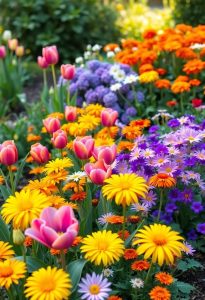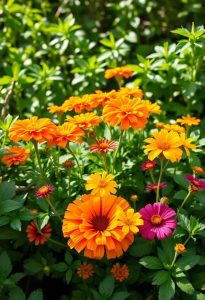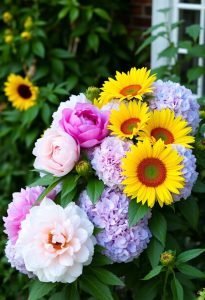
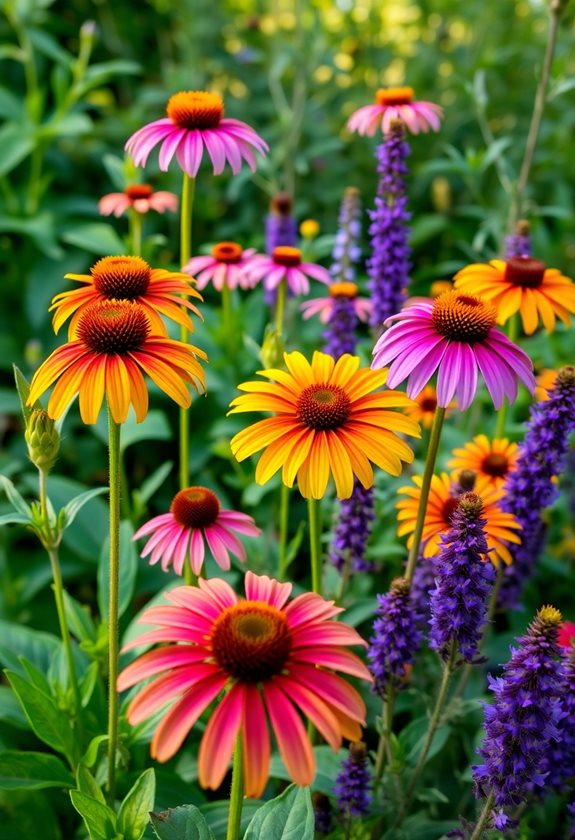
If you’re looking to spice up your garden while helping the environment, native flowers are your best bet! Think about planting vibrant options like coneflowers, black-eyed Susans, and milkweed—they’re not just pretty; they attract pollinators too! Plus, they thrive in your local climate, which means less fuss for you! Want your garden to be both beautiful and eco-friendly? These flowers are the perfect solution! Stick around, and you’ll discover more tips to create your dream garden!
Design Highlights
- Choose coneflowers and black-eyed Susans for vibrant colors and pollinator attraction in your garden.
- Incorporate milkweed to support monarch butterflies and enhance biodiversity.
- Select drought-tolerant native flowers like California poppy and purple coneflower for low-maintenance beauty.
- Use wildflowers such as butterfly weed and wild lupine for a natural look and environmental friendliness.
- Implement mulching and proper watering techniques to promote healthy growth of native plants.
Understanding the Importance of Native Flowers
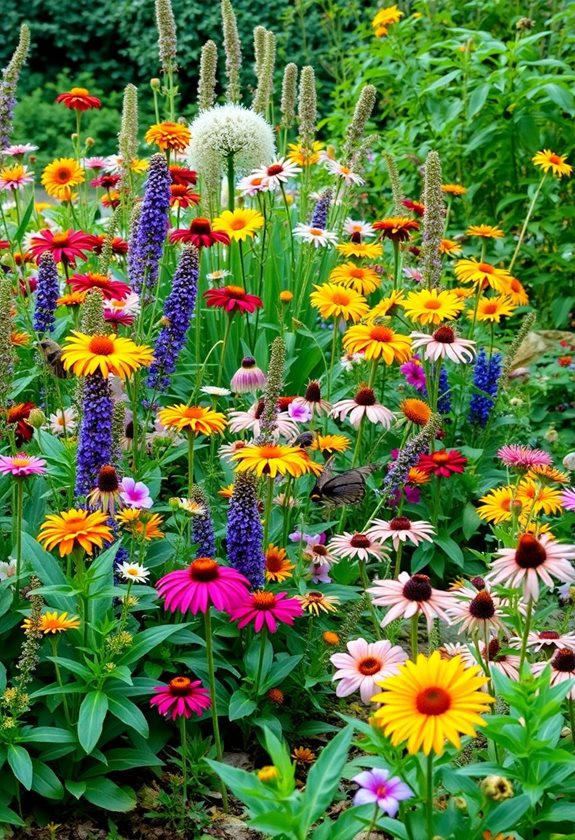
When you think about adding beauty to your garden, have you ever considered the significance of native flowers? These plants aren’t just pretty; they support local ecosystems and require less maintenance. By choosing native flowers, you’re inviting butterflies and bees to your backyard while reducing the need for harmful pesticides. Plus, they adapt to your soil and climate, making them resilient and safe for your family! Want to create a vibrant space? Think about planting a mix of colors and heights. Native flowers can transform your garden into a thriving haven. Native flowers are known to attract a variety of pollinators, enhancing biodiversity in your garden. Isn’t that something to get excited about?
Top Native Flowers for Pollinator Gardens
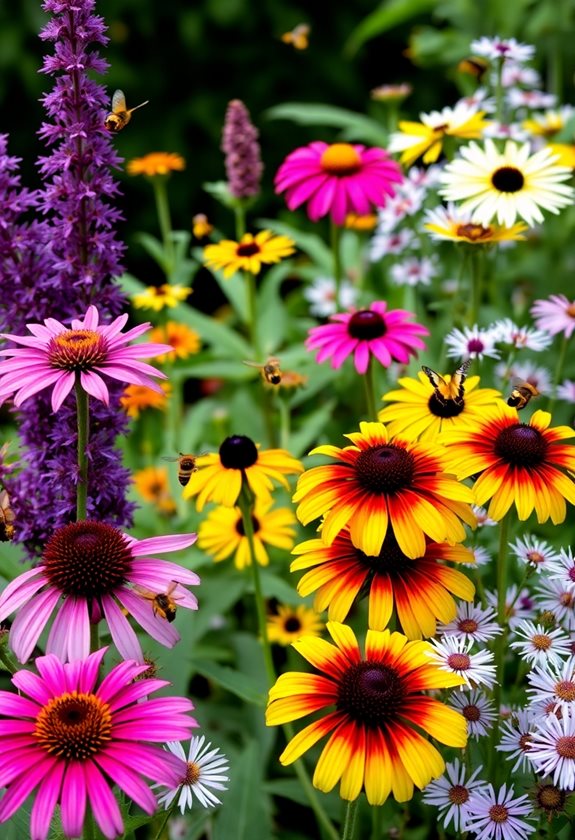
Did you know that just a handful of native flowers can turn your garden into a buzzing paradise for pollinators? Imagine vibrant blooms attracting bees and butterflies right outside your window! Consider planting:
- Coneflowers: Their sturdy petals are a favorite for many insects.
- Black-eyed Susans: These bright beauties are not only pretty but also pollinator magnets.
- Milkweed: Essential for monarch butterflies, it’s a must-have!
Creating a pollinator garden is a fun way to support nature, and a lush garden oasis can also provide a sanctuary for these important species. Plus, it’s a safe, rewarding hobby! So, ready to make your garden the talk of the town? Let’s get planting!
Drought-Tolerant Native Flowers for Low Maintenance
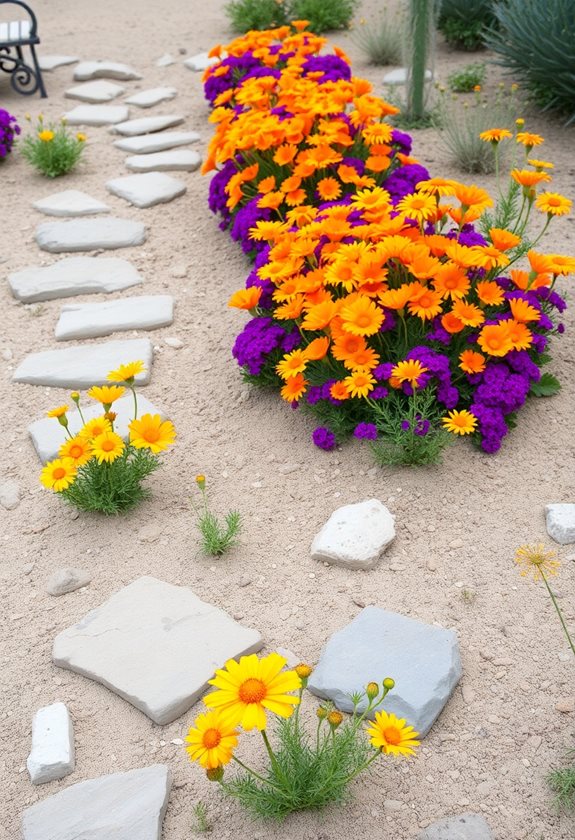
If you’re tired of watering your garden every day and want to enjoy beautiful blooms without all the fuss, then drought-tolerant native flowers might just be your new best friends! These resilient plants thrive on minimal water, making them perfect for busy gardeners. Consider adding:
- California Poppy: Bright and cheerful!
- Purple Coneflower: A pollinator magnet.
- Black-eyed Susan: Adds a touch of sunshine.
You’ll save time and energy while creating a stunning landscape. Plus, these flowers help protect local ecosystems! Additionally, incorporating climbing plants into your garden can enhance vertical space and create a lush ambiance. So, why not embrace the beauty of low-maintenance gardening? Your future self will thank you!
Vibrant Perennial Native Flowers to Consider
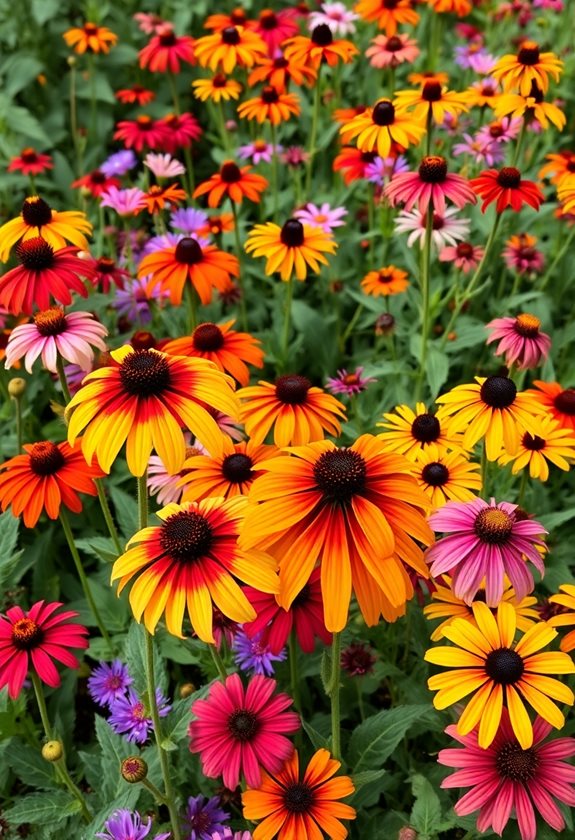
While you might think that adding color to your garden requires constant upkeep, vibrant perennial native flowers can actually bring a splash of beauty with minimal effort! These hardy plants not only enhance your garden but also support local wildlife. Here are some great options to reflect upon:
- Purple Coneflower
- Black-eyed Susan
- Bee Balm
- Wild Geranium
- Blanket Flower
Imagine enjoying their colors year after year without the hassle of replanting! Plus, they’re usually safe for pets and children. Incorporating these best flowering plants into your landscape can also improve the overall health of your garden. So, why not add these gorgeous perennials to your garden and watch it flourish with vibrant life? Happy gardening!
Annual Native Flowers to Add Seasonal Color
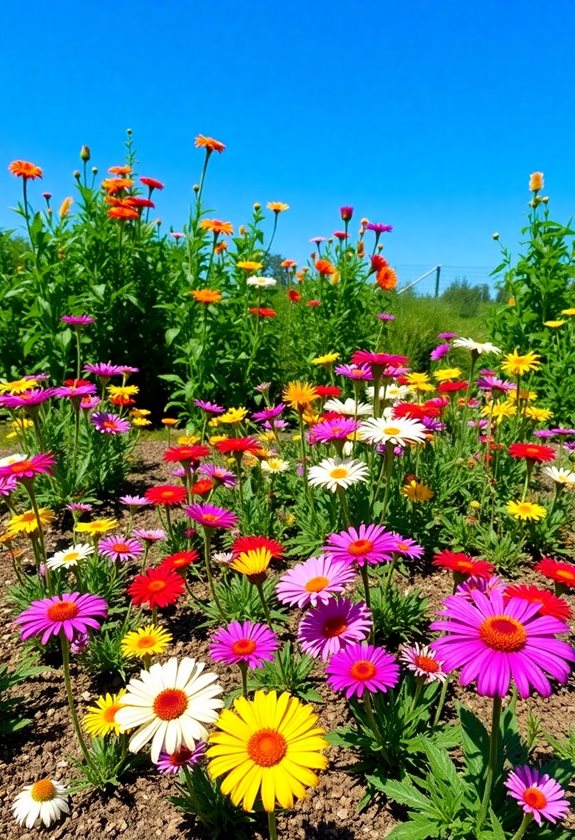
Imagine stepping into your garden, where bursts of seasonal color greet you at every turn! Adding annual native flowers can truly elevate your space. Think about sunflowers, with their cheerful faces, or zinnias that thrive in sunny spots. These beauties are not just pretty; they’re safe for your family and pollinators, too!
Consider mixing colors and heights for visual interest. Have you tried planting cosmos alongside marigolds? It’s a delightful combo! Remember, the joy of gardening lies in experimentation—don’t be afraid to mix and match. Incorporating flowers that attract pollinators can enhance your garden’s ecosystem. So, what will you plant this season to create your vibrant oasis? Happy gardening!
Native Wildflowers for a Natural Look
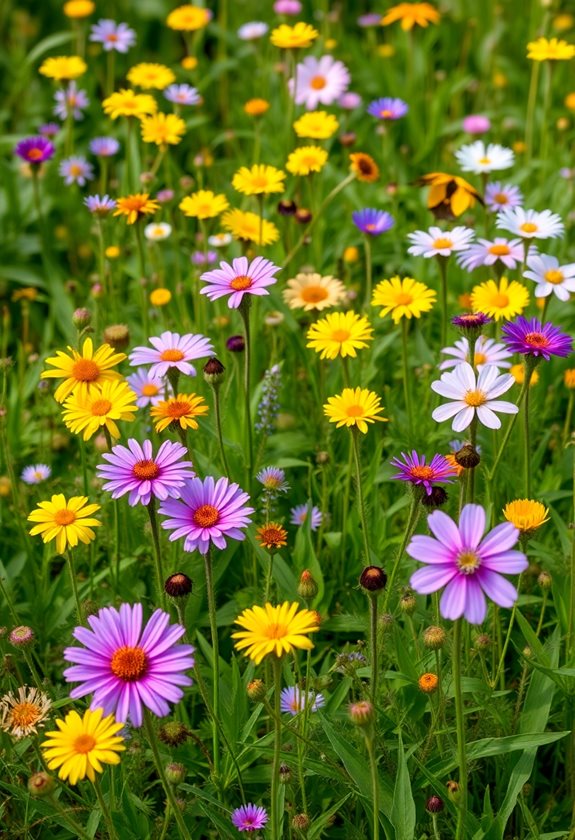
Creating a garden filled with native wildflowers can transform your outdoor space into a stunning, natural haven. You’ll love the way these flowers attract pollinators and create a vibrant, lively atmosphere. To get started, consider these five fantastic native wildflowers:
- Black-eyed Susan
- Butterfly weed
- Purple coneflower
- Wild lupine
- Oxeye daisy
Each of these blooms adds unique color and charm to your garden. Plus, they’re low-maintenance and safe for the environment! Incorporating edible plants alongside these wildflowers can enhance both the beauty and functionality of your garden. So, why not plunge in? You’ll find joy in watching your garden flourish, and the bees will thank you for it—talk about a win-win!
Shade-Tolerant Native Flowers for Dim Areas
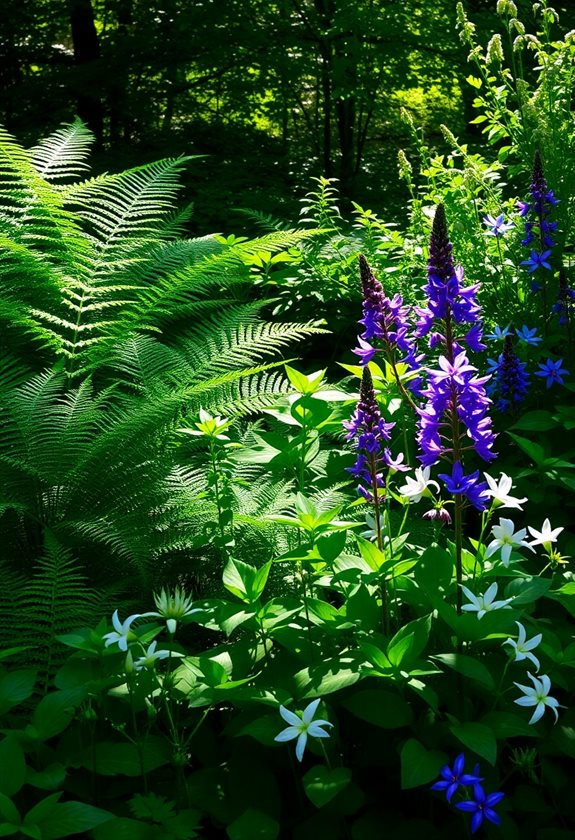
Not every garden gets blessed with bright, sunny spots—some corners are more about shadows and dim light. If you’ve got a shadier area, don’t fret! There are beautiful native flowers that thrive in low light. Try planting:
- Wild Ginger: Its heart-shaped leaves are stunning!
- Trillium: The three-petaled blooms will wow you.
- Columbine: A real showstopper with unique shapes.
These plants not only add color but also attract pollinators. Additionally, opting for low-maintenance plants can help you enjoy a beautiful garden without extensive upkeep. Remember, a shaded garden can be just as vibrant as a sunny one—so embrace those dim areas! Which flower are you excited to try? Happy gardening!
Native Flowers for Coastal and Waterside Gardens
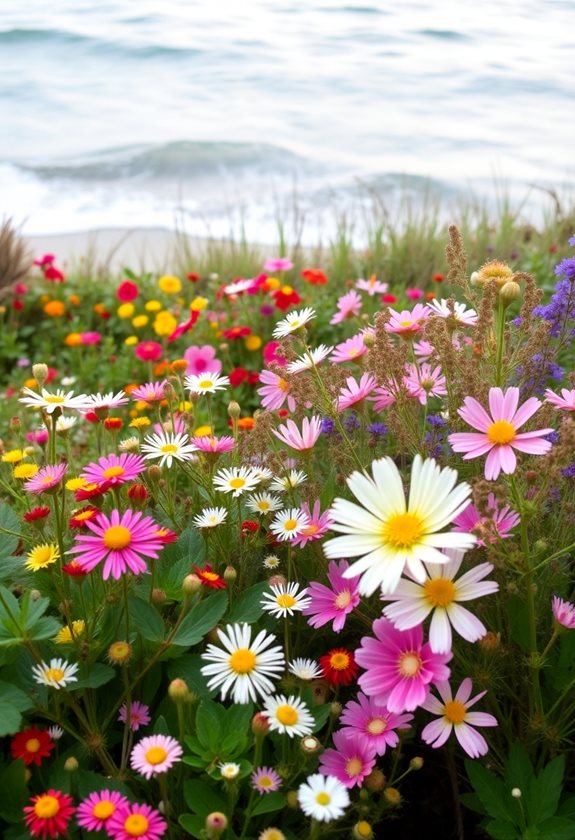
When you’re lucky enough to have a coastal or waterside garden, you might wonder how to capture the beauty of that unique environment with native flowers. Choosing the right blooms can enhance your garden while ensuring safety. Here are five fantastic options:
- Beach Strawberry: Delicious and easy to grow!
- Seaside Goldenrod: A vibrant splash of yellow.
- Blue Flag Iris: Beautiful and attracts pollinators.
- Saltmarsh Mallow: Stunning pink flowers, perfect for wet areas.
- Seaside Daisy: Tough and cheerful, perfect for sandy soils.
These flowers not only thrive in coastal conditions but also create a safe, stunning habitat for wildlife and you!
Creating a Diverse Habitat With Native Plants
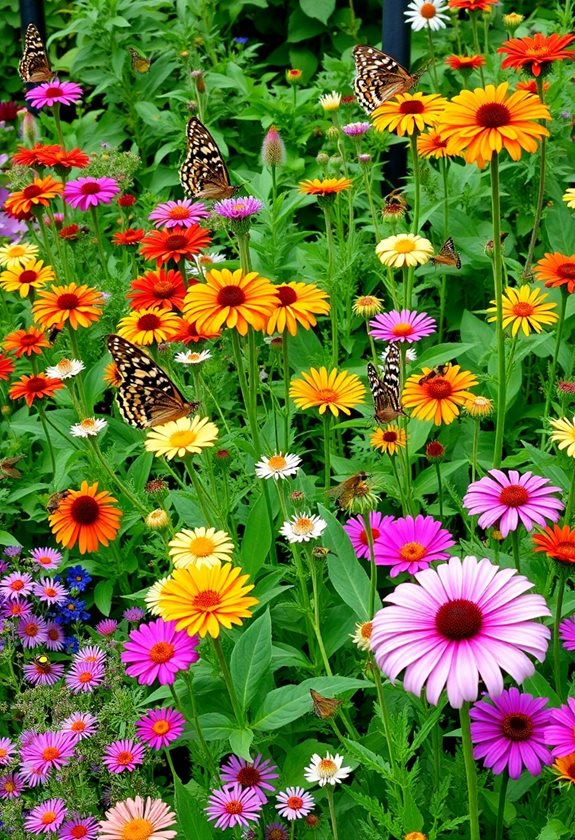
As you immerse yourself in the world of gardening, you might discover that planting native plants can transform your backyard into a vibrant habitat for both wildlife and your family. Imagine butterflies fluttering and birds singing! By incorporating a variety of native flowers, you create food and shelter for these creatures.
Consider adding:
- Coneflowers for pollinators
- Black-eyed Susans for color
- Milkweed for monarchs
This diversity not only beautifies your space but also promotes a balanced ecosystem. Plus, it’s a safe, low-maintenance option. Incorporating pollinator-friendly foliage plants can further enhance the appeal of your garden. Who wouldn’t want a lively garden where nature thrives? Jump in, and enjoy your blossoming sanctuary!
Tips for Caring for Your Native Flower Garden
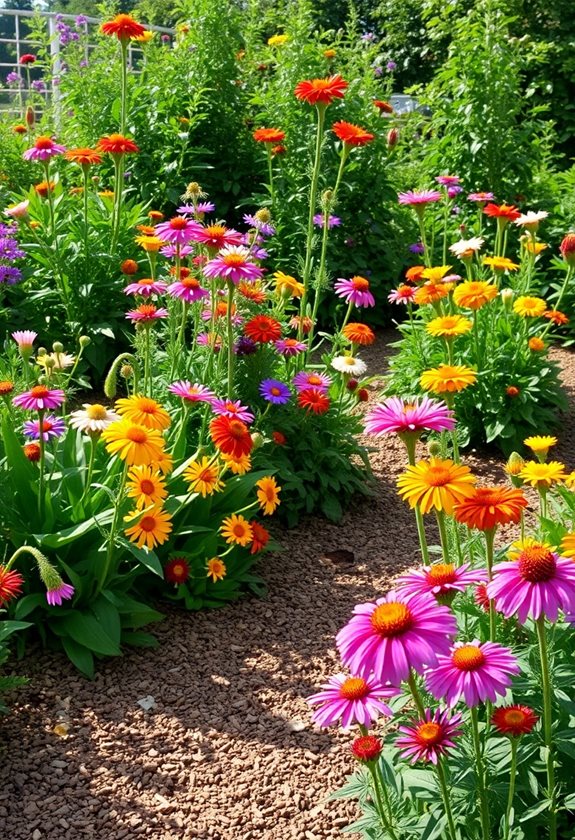
Caring for your native flower garden can be a rewarding adventure, especially if you embrace a few simple tips that’ll keep your blooms thriving! It’s not just about planting; it’s about nurturing. Here’s how to guarantee your garden flourishes safely:
- Water wisely: Early mornings are best, and don’t overdo it!
- Mulch: It helps retain moisture and keeps weeds at bay.
- Deadhead: Regularly remove spent flowers to encourage new growth.
- Pest control: Use natural remedies to protect your plants.
- Observe: Keep an eye on your garden’s health; it’ll tell you what it needs!
Happy gardening! 🌼
Frequently Asked Questions
How Do I Choose Native Flowers for My Specific Region?
Choosing native flowers for your region can be a fun adventure! Start by checking your local climate and soil type—after all, plants love to feel at home. Visit local nurseries or online resources to find species that thrive nearby. Consider factors like sunlight and water needs. Don’t forget to mix colors and heights for a vibrant garden! What’s more exciting than watching your garden grow with flowers that truly belong? Happy planting!
Can Native Flowers Be Harmful to Local Wildlife?
Absolutely, some native flowers can be harmful to local wildlife. While many support pollinators, a few can be toxic. For instance, the beautiful but poisonous monkshood can be dangerous if consumed. So, it’s essential to research before planting. Here’s a tip: ask local gardeners or check resources from your area! Remember, gardening’s about creating a safe haven for all creatures. Isn’t it exciting to foster a thriving ecosystem right in your backyard?
Where Can I Buy Native Flower Seeds or Plants?
Finding native flower seeds or plants isn’t as tricky as it seems! You can check out local nurseries, garden centers, or farmer’s markets—often, they’re treasure troves of local flora. Plus, there’s always online options like native plant societies or specialty websites. Have you thought about asking fellow gardeners for recommendations? They might share their favorite spots. With a little digging, you’ll soon have a beautiful, vibrant garden that supports local wildlife!
How Long Does It Take for Native Flowers to Establish?
When you plant native flowers, it usually takes about two to three years for them to really establish themselves. Isn’t that a bit of a wait? But trust me, it’s worth it! During this time, they’re developing strong root systems. To help them along, make sure they get enough sunlight and water. You can even add mulch to keep the soil moist. Just think of the beautiful blooms waiting for you! Exciting, right?
Are There Native Flowers That Attract Specific Bird Species?
Oh, you thought birds would just waltz into your garden without a proper invite? Not quite! Certain native flowers really do attract specific bird species. For instance, sunflowers draw in goldfinches, while coneflowers are a hit with chickadees. You’ll want to plant a mix, like bee balm and asters, to create an avian buffet! So, why not roll up your sleeves and give your feathered friends the feast they deserve? It’s a win-win!